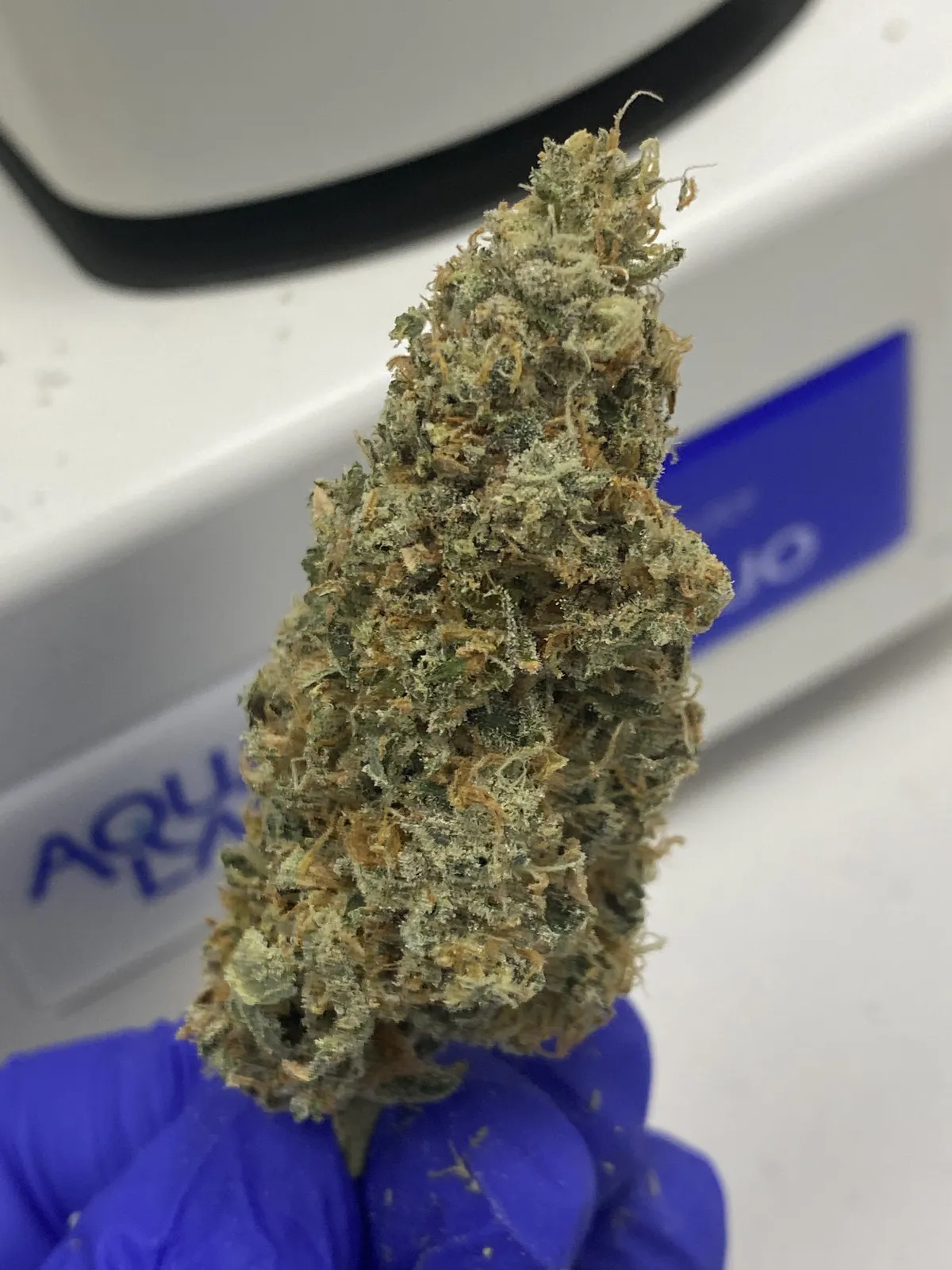
The Food Safety Challenge for Infused Dairy and Sorbet SKUs
Growth in infused products—whether botanical, flavor, or cannabinoid-integrated—has made food safety and texture control not just critical, but boardroom-level concerns for R&D chefs and QA managers. For dairy, cream, and egg-based ice creams, or allergen-triggering plant-based sorbets, even a single slip means risk: recalls, regulatory fines, and (for operators with small teams) lost years of brand trust.
Batch freezer pasteurization for infused products has become a best practice for this category—especially as high-value launches demand both reliable microbial kill and precise texture (overrun, crystal size) to win. Yet classic room-scale pasteurization tanks, with their labor and transfer risks, don’t fit the nimble R&D or periodic manufacturing environment. Enter the combo batch freezer: a single footprint solution with heating (pasteurization) and freezing in a user-programmable cycle, giving teams both food safety and R&D agility.
Validated Pasteurization Profiles: What Auditors Demand
Why pasteurize in-batch? Because U.S. regulations—anchored in FDA’s Pasteurized Milk Ordinance (PMO)—require specific temperature-time kills for dairy. To be recognized as compliant, batch pasteurization must:
- Reach and hold 69°C (155°F) for 30 minutes (per FDA & Grade "A" PMO).
- Show continuous temperature logging—no dips, drift, or missed zones—for the entire hold time.
- Keep records exportable for review by regulators and customers (this supports both audit and recall-readiness).
Combo batch freezers like the Coldelite Advanced Gourmet Compacta VariO 12 Elite are engineered to precisely follow such profiles. Their integrated heating jackets, direct temperature feedback, and programmable cycles position them to de-risk dairy, egg, and mixed-ingredient bases in a single pass—eliminating tank-to-tank contamination risks.
Documenting Pasteurization: The Modern Approach
- Always download and archive cycle logs (often USB or network-connected).
- Use the freezer touchscreen to “sign off” each batch; pair this with paper or digital production sheets.
- Calibration of temperature probes must be scheduled quarterly—document with calibration logs.
- Train teams in emergency stop procedures to avoid under-pasteurized product in the event of power or mechanical failure.
Cooling Curves and Mix Aging: Texture Security, Not Just Safety
Pasteurization is only half the battle—mix aging and cooling curves are essential for top-tier texture and overrun. Why?
- Fast cooling (to 4°C/39°F or below) after pasteurization curtails post-pasteurization microbiological growth, locks in flavor, and controls crystal size.
- Extended aged mixes (typically held 4–16 hours) give proteins and stabilizers time to hydrate, supporting smoother, denser mouthfeel and air cell stability.
Combo freezers with rapid-cooling cycles (direct chilling post-pasteurization) help achieve ideal curves while reducing exposure to ambient cross-contamination. Operators can tune batch chilling rates for base yield, minimizing iciness in sorbet or over-aeration in dairy.
Pro Tip: Monitor viscosity and temperature every hour of the aging phase for premium batches, and document for QC trending. This supports both in-house QA and external HACCP/FSMA audits.
Overrun and Texture: Dialing in Product Quality by Market Segments
Overrun (how much air is incorporated) and freezing speed both shape finished product. Premium and economy products differ here:
- Premium gelato/ice cream: Overrun intentionally low (25–35%), delivering dense, creamy texture and slower melt.
- Economy SKUs: Overrun can be as high as 50–80% (in non-batch continuous lines), making for lighter, airier, less expensive results.
- Sorbets/granitas: Minimum overrun; focus is on small, uniform ice crystals, typically achieved by aggressive horizontal scraping in the combo batch freezer.
Modern batch freezers let you program and profile overrun via controllable beater speeds and run times. Keep logs of:
- Air incorporation rates by product type
- End-point Brix (sugar content) and viscosity for each run
- Resulting sensory panels (mouthfeel, scoopability, meltdown tests)
Changeover Strategies: Preventing Allergen Cross-Contact
When making both dairy and non-dairy (e.g., coconut, oat, or sorbet) SKUs in the same facility, validated changeover steps are essential to meet FDA allergen controls and reduce legal risk.
The gold standard:
- Demoist and purge lines/tanks via rinse with food-safe, neutral detergent (see JC 201M), NOT bleach or harsh oxidants that can degrade gaskets.
- Full wipe/rinse of wetted stainless and gaskets with mild soap, vinegar, or specialized food-grade gasket cleaner (GasketGuy).
- Visually inspect and swab test, verifying no visible residues or protein/lactose traces (refer to your HACCP allergen plan).
- Document each changeover; log responsible staff, date/time, and any test results.
For especially sensitive operations (i.e., making peanut/dairy and dairy-free):
- Schedule allergen-heavy runs at day’s end or designate specific days for non-allergen production.
- Use color-coded utensils and gaskets for allergen vs. allergen-free runs.
- Train all production staff in allergen handling and cleaning SOPs (see sample SOP).
Acceptable residues: Visual cleanliness is the minimum, but most auditors require regular on-site rapid protein/lactose swab tests for validation. Acceptable swab values depend on your HACCP plan, but the goal is <5ppm (typical for allergen validation).
Regulatory and Compliance Considerations
Beyond FDA/PMO, consider:
- HACCP plan updates for every new SKU or changeover protocol.
- FSMA documentation: keep SOPs, logs, and testing results continually updated and accessible.
- Worker training: retrain annually, and certify on both hygiene and allergen controls.
Equipment Selection and R&D Agility: Why Combo Batch Freezers Win
Why upgrade to a unit like the Coldelite Advanced Gourmet Compacta VariO 12 Elite?
Key benefits:
- Integrated heating (pasteurization) and freezing cylinders let you go straight from ingredient mix to finished product in one machine, streamlining QA, reducing labor, and slashing exposure windows.
- User-programmable cycles for temperature, beater speed, and hold times, letting you lock in validated profiles for every SKU—critical for audit trails and QA.
- Compact footprint, ideal for R&D kitchens scaling up or multi-line boutique plants.
- Flexible cleaning and changeover: Easy disassembly and food-safe components simplify SOPs, with materials compatible with neutral and mild acid cleaning.
- Plug-and-play documentation: USB/networked recipe and log downloads for regulatory compliance and R&D iteration.
Sample Implementation Timeline and SOP Checklist
Timeline for Launching a Pasteurization-Validated Infused SKU:
- 2 Weeks: Write HACCP plan update, define allergen and batch controls, source cleaning chemistries.
- 1 Week: Configure and test combo batch freezer, calibrate temperature probe, validate programmable pasteurization cycle with water batch.
- 1-2 Weeks: Trial runs, optimize overrun/scrape rates for target products, document logs, conduct swab allergen and soil testing.
- Go Live: Staff dry run and full production; formalize sign-off SOPs for each batch.
Daily SOP Checklist:
- Pre-op: Inspect surfaces, check calibration records, verify cleaning log
- Set up: Load validated recipe, program time/temperature profile, start cycle
- Pasteurization/log review: Monitor for dips or alarms, sign off batch log
- Post-op: Begin rapid chilling/aging, document cooling curve
- Between batches: Full clean/rinse sequence, allergen swab test, log validation
Partner for Agility and Compliance
Precision in batch freezer pasteurization for infused products isn’t optional—it’s your ticket to shelf, repeat buy, and audit approval. With modern combo batch freezers, you’ll reduce downtime, minimize labor, and produce safer, more consistent SKUs.
Urth & Fyre can help you configure equipment, author SOPs, and connect with sanitation partners to pass audits and scale up. Explore your batch freezer options—including the Advanced Gourmet Compacta VariO 12 Elite—here and tap our consulting community to keep your R&D and compliance edge sharp.
For additional gear spanning pasteurization, filling, and QA/QC testing, browse the full Urth & Fyre equipment listings or connect with our team for custom SOP and workflow advisory.

Founder of Urth & Fyre. 1M+ square feet of cannabis facilities designed and optimized. Every answer on this site is his.
About Trevor →