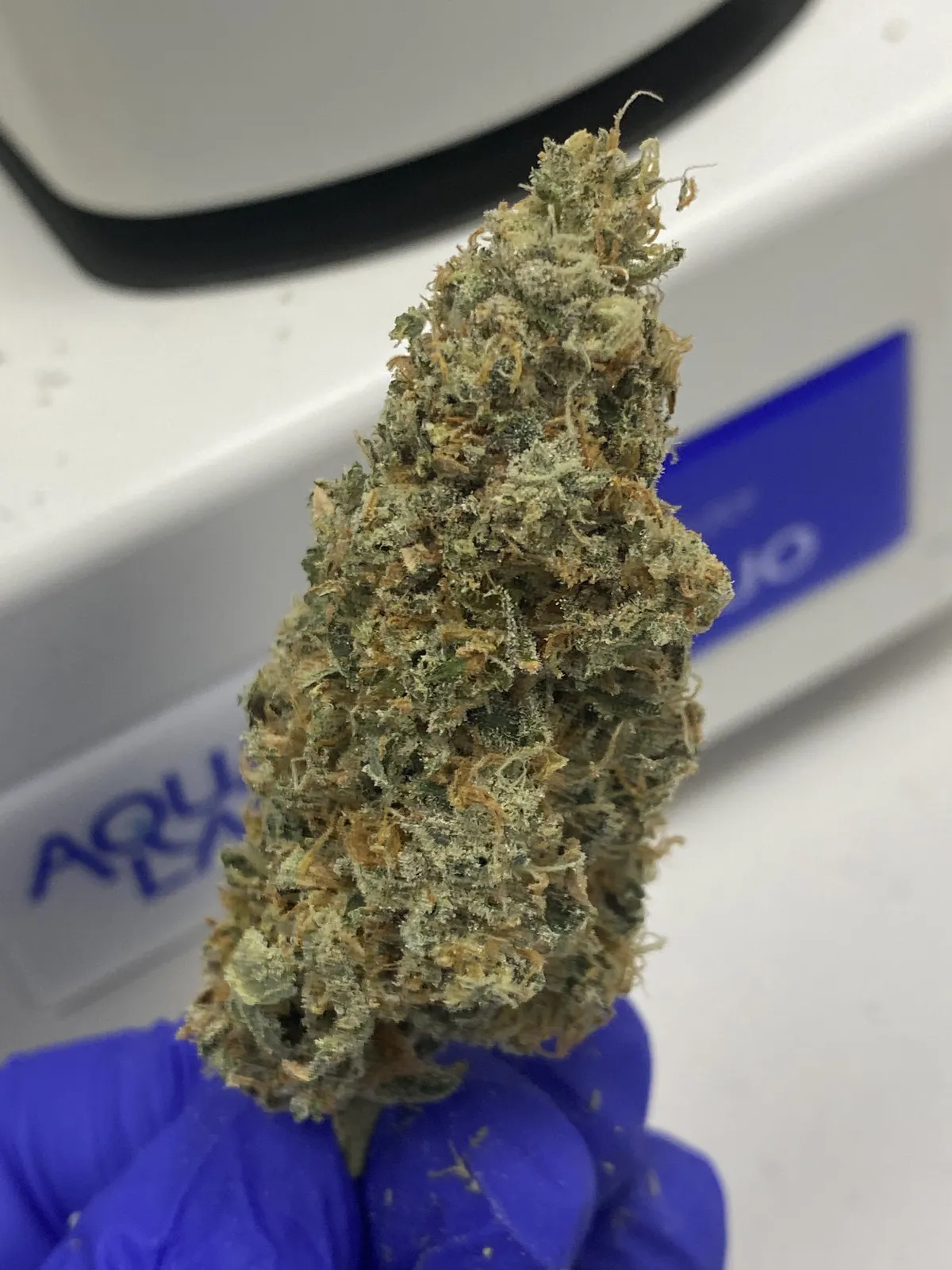
Vacuum drying is no longer just about solvent removal—it's now mission-critical for aroma-first workflows whether producing live resin, rosin, hop extracts, or high-value botanicals. Labs today need more than generic “vacuum oven tips.” They require a playbook that synchronizes equipment design, cycle parameters, and in-process checks for maximum terpene retention and compliance. Here’s a deep-dive on crafting 2026-ready vacuum oven cycles built for both flavor and throughput, all backed by the latest industry standards and real-world operational data.
Understanding Terpene Volatility and Oxidation in Vacuum Drying
Terpenes—volatile compounds responsible for aroma, flavor, and therapeutic nuance—are also highly susceptible to thermal and oxidative degradation:
- Volatility: Many core terpenes (myrcene, limonene, β-caryophyllene) begin to volatilize and evaporate above 100–170°F (38–76°C), especially under deep vacuum.
- Oxidation: Even trace exposures to oxygen and light accelerate terpene breakdown, converting delicate monoterpenes into off-flavors and degradation products (source).
- Vacuum Drying Dynamics: Lower pressure reduces boiling points, allowing for solvent removal at reduced temperatures. However, rapid pressure changes or hot/cold spots can spike terpene loss, so precise control is essential.
Designing Multi‑Stage Vacuum Oven Cycles for Terpene Retention
A generic one-step dry is obsolete. For terpenes, you need multi-stage cycles tuned to your material and desired aroma profile. Here’s how leading labs are engineering success:
1. Pre‑Degas and Oxygen Removal
- Start with a mild vacuum (e.g., 150–200 Torr) and gentle shelf temp (~25–30°C/77–86°F) for 20–40 minutes.
- Purpose: Outgass trapped air and residual oxygen, reducing risk of later oxidation.
- Some systems use short nitrogen (N₂) or argon backfill at this stage to displace O₂ quickly before primary drying (see best practices).
2. Staged Pressure Ramps and Controlled Heating
- Lower pressure incrementally in stages (e.g., 80 Torr → 40 Torr → target vacuum).
- Ramp shelf temperature to 38°C–50°C (100º–122°F) gradually; avoid rapid overshoot.
- Hold at each setpoint, monitoring mass loss and oven humidity (if possible) until plateau.
- Large studies on cannabis and hops show this minimizes bulk terpene “flashing” and preserves top notes (source).
3. Peak Vacuum and Fine Residual Solvent Purge
- Reach final vacuum setpoint (~<10 Torr) and, if necessary, gently increase temperature to complete solvent purge.
- Monitor residual solvent via samples or in-situ sensors (e.g., mass spec, GC, or HPLC spot tests) (ThermoFisher).
- Avoid over-drying: Once mass loss plateaus and solvents hit compliance, end cycle.
4. (Optional) Inert Gas Backfill and Cooled Rest
- Vent oven with inert gas (N₂/argon) to displace vacuum before exposing material to air.
- Allows for a gentle return to atmospheric pressure and further oxidation control.
- Some labs chill shelves/oven below room temp with N₂ rest for added aroma lock.
5. End-Point Criteria and Unload
- Use repeatable end-points: % mass loss, residual solvent PPM, and organoleptic (sensory) checks.
- Record everything: full traceability accelerates tuning of “house” cycles for each SKU and batch.
Hardware Choices that Protect Aroma and Repeatability
Oven design isn’t just about chamber size—it directly impacts flavor outcomes.
Vacuum Lines and Fittings
- Stainless steel vacuum lines and KF flanges (not rubber) preserve vacuum integrity and avoid leaching or contamination. Rubber lines degrade and can off-gas, tainting sensitive products.
- Ensure all compression fittings are tight and routinely leak-checked.
Five‑Sided (Jacketed) Chamber Heating
- Even, jacketed heating (as found in the Across International Elite E76i) eliminates hot/cold spots, so all trays dry uniformly—an essential for both yield and consistency.
- Avoid ovens with basic bottom-only elements; they create erratic gradients and can spike terpene volatilization.
Inert Gas Integration and Venting
- Models with inert gas backfill allow precise control of O₂ levels at critical stages.
- Use high-quality valves/gauges rated for vacuum and inert service, and calibrate regularly.
Trays, Racks, and Loading
- Use polished stainless or anodized aluminum trays, cleaned to food/lab-grade standards—plastic and silicone can hold residues/odors.
- Avoid overcrowding shelves for consistent mass transfer; monitor with data-logging sensors if feasible.
In-Process Measurement: Fine-Tuning Your “House Recipes”
The most advanced aroma-first facilities treat drying like a scientific R&D project. Here’s how they iterate and validate their cycles:
Mass Loss Curves
- Weigh trays/samples periodically to plot mass loss vs time/conditions. Plateaus signal primary solvent removal is complete.
Residual Solvent Analytics
- Use HPLC, GC, or NIR-based analyzers (even on-the-fly/portable) to confirm compliance (residual solvent PPM) as required by state/federal regs (Eurofins guide).
Sensory & Organoleptic Checks
- Empanel staff to assess aroma profile at endpoint vs standard “gold” batches.
- Document observations to close the data loop and enable continuous improvement.
Each iteration is an opportunity: rapid log, review, adjust, and converge on unbeatable, repeatable flavor.
Throughput, Energy Benchmarks, and Operational ROI
- Throughput: Batch sizes and cycle times depend on loading density and mass. For an oven like the E76i (7.6 cu ft), common runs are 4–8 kg per cycle, with typical times between 12–24 hours depending on residual solvent levels and terpene sensitivity (shorter for rosin, longer for solvent-rich extracts).
- Energy Use: Well-insulated, five-sided ovens consume less power per run and maintain tighter process control—potentially saving 10–20% in yearly energy costs compared to legacy units. Gasket and seal condition are also crucial; vacuum leaks dramatically increase cycle length and loss risk.
Smart monitoring (leak checks, regular seal replacement) and scheduled downtime for sensor/calibration maintenance drive better annual yields and less waste.
Where Urth & Fyre Helps: Precise Ovens and SOP Validation
Urth & Fyre connects operators with equipment, accessories, and consulting to support the most demanding terpene-first and compliance-centric workflows, including:
- Modern ovens with five-sided heating, all-stainless internals, inert gas ports, and robust data logging.
- Sample SOPs and validation templates help you standardize and scale new SKUs fast.
- Access to technical team for configuration audits and troubleshooting for aroma-critical projects.
Recommended system: Across International Elite E76i Vacuum Oven — 7.6 cu ft five-sided chamber, stainless vacuum lines, inert gas backfill port, with proven reliability in compliance-driven, aroma-first environments.
Takeaways: Raising the Bar in Terpene-Forward Drying
- Design multi-stage drying cycles for your specific extract and target aroma profile.
- Specify ovens with advanced uniformity, vacuum integrity, and inert gas features.
- Leverage in-process data for real R&D-driven improvement in both compliance and flavor.
- Routinely maintain lines, seals, and sensors for the lowest cycle-to-cycle variability.
Curious how to implement, or upgrade, to a 2026-level terpene-forward workflow? Explore high‑precision hardware and proven consulting at urthandfyre.com—where top-tier labs turn to build the next generation of aroma‑focused extracts and botanicals.

Founder of Urth & Fyre. 1M+ square feet of cannabis facilities designed and optimized. Every answer on this site is his.
About Trevor →