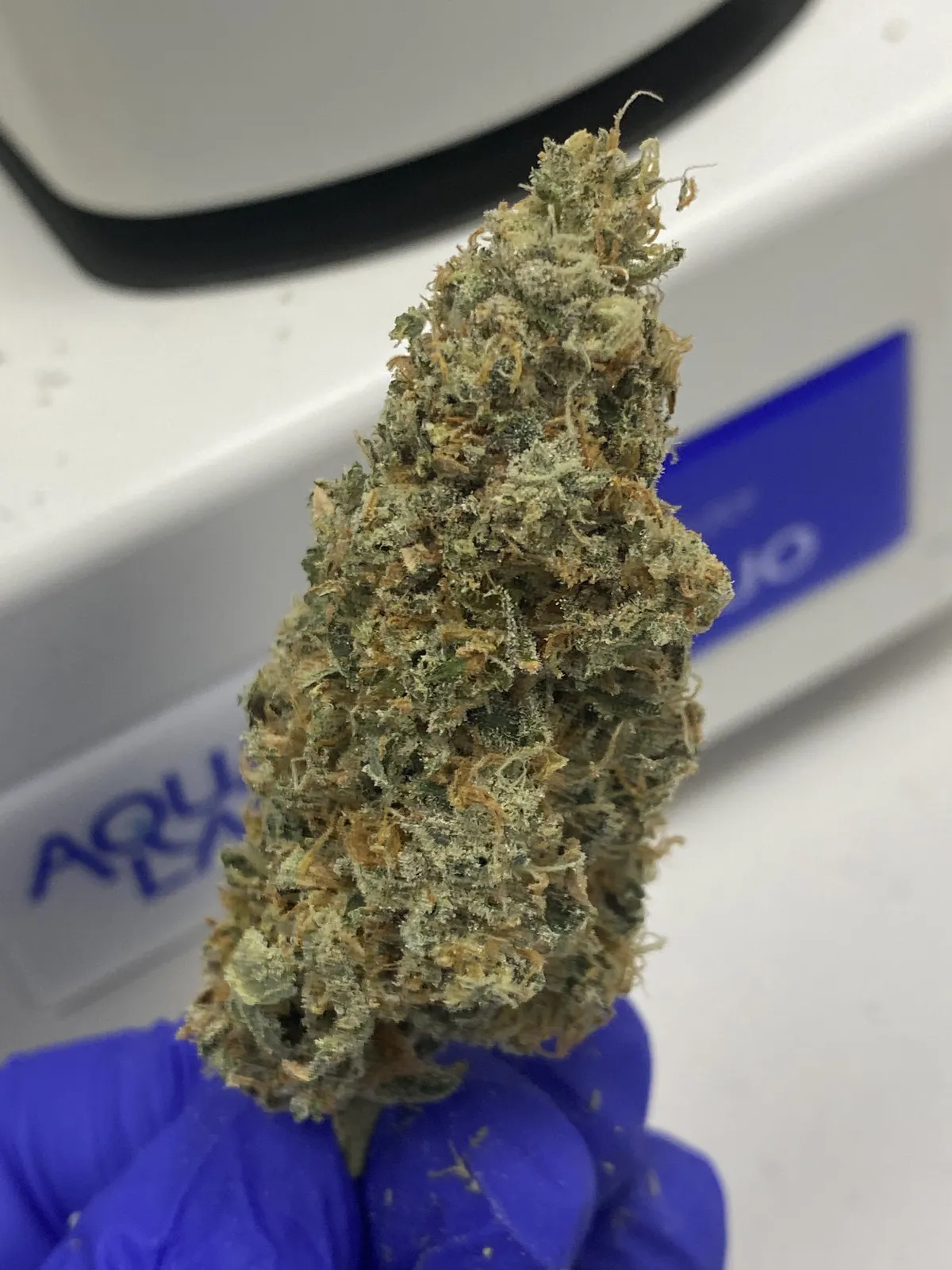
Why low‑GWP solvents change the purge game
As many labs shift from high‑VOC, high‑GWP (global warming potential) solvents to bio‑based and low‑GWP alternatives (think ethyl lactate, propylene carbonate, d‑limonene and other esters), drying and purge behavior changes in three important ways:
- Boiling point and vapor pressure: Many low‑GWP solvents have higher boiling points or lower vapor pressures than ethanol. That means they require different thermal and vacuum strategies to desorb efficiently without over‑heating the product.
- Flammability envelope: Lower volatility often reduces flammability risk, but it doesn’t eliminate it. Drying under vacuum concentrates vapors, and safe operating windows must be validated for any solvent change by consulting LFL (lower flammable limit) data and your local code authority.
- Terpene volatility and oxidation: Lower drying temperatures preserve volatile flavor and aromatic compounds, but only if heat is distributed uniformly and oxidation is minimized.
For process owners this means: don’t simply drop a new solvent into an old oven and expect the same cycle. Instead tune vacuum, temperature, and gas‑management to the solvent and product matrix.
(For a review of green/bio‑based solvents and extraction behaviour see: https://www.ncbi.nlm.nih.gov/pmc/articles/PMC6274296/.)
How modern vacuum oven design helps: five‑sided heating, stainless plumbing, and inert backfill
Three design elements create outsized gains when you move to greener solvents:
-
Five‑sided jacketed heating: A jacket that heats the left, right, top, bottom and back sides of the chamber delivers far more uniform wall temperatures than single‑ or two‑sided ovens. That uniformity reduces hot‑spots, shortens ramp times, and lets you hold lower set‑points while achieving the same evaporative driving force. Across International’s Elite class ovens (E76i) are an example of this approach, offering ambient→250 °C capability with a five‑sided jacket and tight PID control (specs: https://www.acrossinternational.com/). Uniform heating also lowers energy use per batch because less time is spent chasing a target temperature.
-
All‑stainless vacuum plumbing and KF flanges: Elastomer or rubber vacuum tubing is convenient and cheap, but it hides a costly problem: permeation, outgassing, and increased leak‑rate. Stainless bellows hoses and compression fittings dramatically reduce permeation, improve vacuum hold times, and eliminate a common contamination source for terpenes and solvents. Many high‑spec ovens now ship with stainless vacuum tubing and KF25 ports to simplify upgrades and create a clean start out of the crate.
-
Controlled inert gas backfill: Introducing a controlled inert backfill (nitrogen or argon) through a dedicated vent/gas port is a standard method borrowed from lyophilization and pharma to protect product from oxygen exposure during cool‑down and to safely displace solvent vapors when venting. Argon offers slightly better chemical inertness and is preferred in high‑value applications, while nitrogen is often used for cost reasons. See FDA guidance on lyophilization best practices for how backfill is validated in regulated workflows: https://www.fda.gov/.
The “hidden vacuum line” problem and a simple leak‑rate check
A surprising percentage of vacuum performance issues aren’t the oven controller or pump — they’re the plumbing.
- Rubber/silicone hoses adsorb solvent and leach plasticizers; over time they become a continuous source of outgassing that lengthens cycle times and leaves residues on product.
- Flexible metal bellows, KF flanges, and 304/316 stainless tubing are low‑permeation and clean‑able, eliminating the hidden line problem.
Simple leak‑rate / hold‑test any lab can run:
- Evacuate the chamber to operational vacuum and then isolate the chamber from the pump using the inline isolation valve. Note the starting pressure on your calibrated gauge.
- Record pressure again after 5, 15 and 60 minutes.
- Calculate rise rate (microns/minute). A clean stainless system with good seals should show a small, slow rise — for many botanical‑processing ovens you should aim to see only tens to low hundreds of microns rise over an hour at operating temperature. Anything showing rapid rise (e.g., thousands of microns in minutes) indicates a leak or contaminated hose.
If you find a rapid rise, visually inspect KF o‑rings, port clamp nuts, and replace any rubber hoses with stainless bellows and compression fittings. The Across International E76i model highlights this in product design by specifying stainless vacuum tubing and compression fittings to extend hold times and lower maintenance.
Practical cycle designs: sample starting recipes and logging strategy
The single most useful habit labs adopt is systematic logging: mass loss versus time alongside chamber pressure and chamber wall temperature. That data lets you tune a recipe and reproduce it across shifts and facilities.
General logging setup
- Mass: Analytical or bench scale to 0.01 g (weigh every 10–30 minutes during active purge until mass loss plateaus).
- Pressure: Vacuum gauge logged every 10–60 seconds (many modern controllers or separate data‑logging gauges offer USB/RS‑485 output).
- Temperature: Chamber wall and a product probe (if feasible) recorded every 60 seconds.
- Notes: sample type, solvent, initial moisture/solvent load, shelf layout, and total batch mass.
Sample starting recipes (adjust by your product and lab safety review):
-
Shatter (high purity solvent wash)
-
Ramp: room temp → 40 °C over 20 minutes (use jacketed heat for uniformity)
-
Vacuum: pull to target 200–500 microns (mTorr)
-
Hold: 1–3 hours while logging mass; if mass loss continues after 3 hours, continue at same set‑point until plateau
-
Cool: backfill with inert gas to atmospheric, cool to room temp before opening
-
Live resin (terpene‑rich, heat‑sensitive)
-
Ramp: room temp → 25–35 °C slowly (5–10 °C/hr if material is very terpene rich)
-
Vacuum: milder vacuum 500–1000 microns initially; if mass loss stalls, gradually lower pressure to 300–500 microns
-
Hold: 2–6 hours depending on starting solvent content and terpene retention targets
-
Tip: use inert backfill to reduce oxidation risk during cool‑down
-
Solvent‑reduced crude (heavier, higher boiling fractions)
-
Ramp: room temp → 60–80 °C depending on thermal stability
-
Vacuum: aim for deeper vacuum (200–400 microns) to mobilize heavier solvent fractions without excessive heat
-
Hold: multi‑stage (e.g., 2 hr at 60 °C / 400 mTorr then 2 hr at 70 °C / 300 mTorr)
Use these recipes as starting points. The only reliable way to move from a starting recipe to an SOP is to capture mass loss and pressure curves. Over time you’ll see characteristic curves: an early fast‑falling mass loss from free solvent, then a slower desorption tail from entrained solvent. That tail is where most cycle time sits — reduce it by better vacuum plumbing, gentle heat uniformity, and controlled gas exchanges.
Preservation of terpenes: lower temp + better heat distribution = higher retention
Terpenes are volatile and oxidation sensitive. Holding product at the lowest effective temperature while providing consistent evaporative driving force via vacuum is the core tactic. Five‑sided heating means you can set a lower wall temperature and still maintain even heating across a tray — reducing local overheating and terpene volatilization. An inert backfill at the end of the cycle helps displace oxygen and stop volatile losses during cool‑down.
Analytical verification: pair your development work with a potency/terpene assay. Labs using in‑house HPLC or platform analyzers can compare terpene profiles pre‑ and post‑purge and quantify recovery metrics that justify process changes. If you don’t have an HPLC set up, portable analyzers are available that speed screening (see industry analyzers such as HPLC‑based and portable potency solutions for QA/QC).
Safety, compliance and energy considerations
- Flammability: Always validate LFL and solvent vapor behavior under vacuum for the solvents you use. Lower vapour pressure does not guarantee safety; evaluate headspace concentration with gas detectors during development runs.
- GMP‑adjacent controls: Log retention, pressure, and temperature with time‑stamped records. For regulated workflows, ensure your controllers and gauges are calibrated and traceable.
- Energy / footprint: Jacketed ovens with efficient PID control reach setpoints faster and use less total energy per batch vs non‑jacketed designs because they reduce stratification and long heater runtimes.
Preventive maintenance and validation checklist
- Replace vacuum pump oil and screen contaminants after any high‑VOC batch. Consider a two‑pump strategy (roughing oil pump + cold trap + molecular pump or dry pump) for solvent heavy workloads.
- Inspect KF o‑rings and door gaskets weekly; replace if compressed or cracked.
- Run a pressure‑rise (hold) test monthly and log results.
- Calibrate vacuum gauges annually or per SOP; calibrate temperature sensors and PID controllers yearly.
- Keep a product‑specific purge log (mass vs time, pressure vs time) for at least 12 months to support batch comparisons and investigations.
ROI and throughput benchmarks
Upgrading to a five‑sided jacketed oven with stainless vacuum plumbing and controlled backfill typically delivers measurable gains:
- Cycle time: 15–40% reduction in overall cycle time is common due to faster heat transfer and better vacuum hold. That translates directly into throughput gains (e.g., a 30% cycle time reduction increases batch throughput by ~43%).
- Yield and quality: Better terpene retention and fewer oxidation artifacts often reduce rework and improve product value.
- Maintenance: Stainless plumbing reduces consumable replacement and unplanned downtime compared with elastomer lines.
For many high‑throughput operations the capital recovery for an upgraded oven and plumbing package can be under 12 months when higher throughput, reduced rework, and lower energy use are accounted for.
Where Urth & Fyre helps
Urth & Fyre connects buyers to high‑spec pre‑owned ovens and can assemble clean‑vacuum bundles that include the oven, pump, calibrated gauge, stainless KF plumbing, and inlet/outlet cold traps so you get a clean system from day one. If you’re evaluating upgrades or new solvent workflows, we also provide consulting to help you map validation tests, recipe logging templates, and maintenance schedules.
Recommended gear: across-international-vacuum-ovens--elite-e76i---vacuum-oven
This Elite E76i style oven is an example of a five‑sided jacketed design that ships with stainless internal vacuum tubing and a KF25 vacuum flange — specifications that directly address the common performance gaps described above.
Quick SOP checklist for adopting low‑GWP solvents into your purge line
- Safety review: obtain LFL and vapor data for the solvent and confirm ventilation and gas‑monitoring plans.
- Plumbing: replace rubber vacuum hoses with stainless bellows and verify KF clamps and o‑rings.
- Bench runs: run small batches while logging mass, pressure, and temperature every minute.
- Analytical verification: test terpene and solvent residuals by HPLC or an appropriate potency analyzer after purge.
- Validate: once repeatable curves and quality are achieved, document as an SOP and define in‑process limits.
Takeaway
Moving to low‑GWP solvents is good for sustainability — but it demands a re‑think of vacuum drying systems. The combination of five‑sided heating, stainless vacuum plumbing, and controlled inert backfill gives labs the technical levers to dry faster at lower temperatures, preserve terpenes, decrease energy use, and shorten cycle times. Start by instrumenting mass/pressure logging, run methodical small‑batch validations, and consider bundling ovens with stainless plumbing and calibrated gauges to get clean vacuum from day one.
Explore listings and consulting at https://www.urthandfyre.com to see available Elite‑class ovens and to get help designing an upgrade path for your process.

Founder of Urth & Fyre. 1M+ square feet of cannabis facilities designed and optimized. Every answer on this site is his.
About Trevor →