
Extract Types at a Glance
| Extract Type | Method | Starting Material | Equipment Needed |
|---|---|---|---|
| Live Resin | Hydrocarbon (closed-loop) | Fresh-frozen | Closed-loop extractor, chillers |
| Cured Resin | Hydrocarbon (closed-loop) | Dried/cured | Closed-loop extractor |
| Live Rosin | Solventless (ice water + press) | Fresh-frozen | Wash machine, freeze dryer, rosin press |
| Flower/Hash Rosin | Solventless (heat + pressure) | Dried flower or hash | Rosin press |
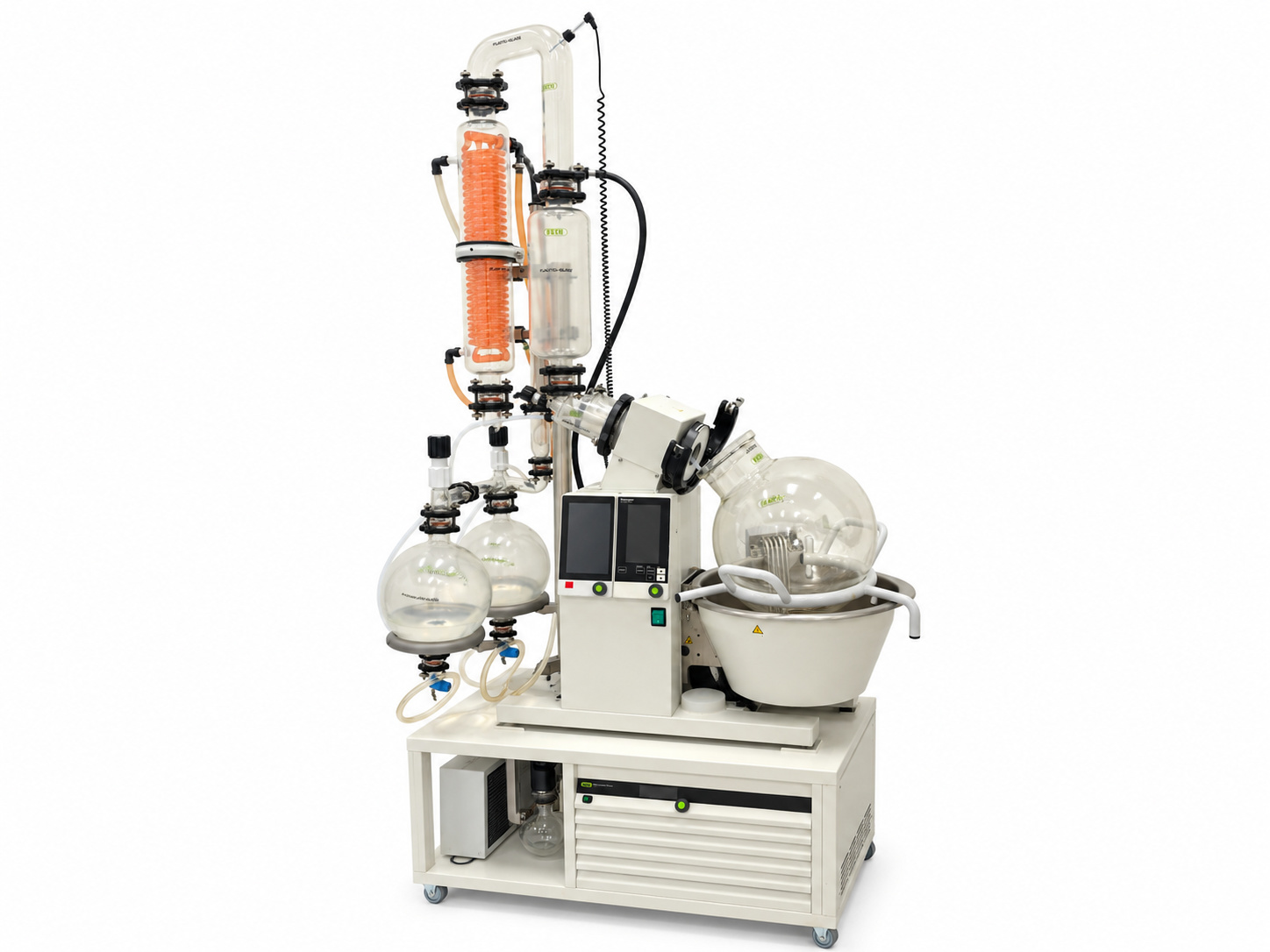
| Distillate | Extraction + distillation | Any biomass | Wiped film / short path system |
Live Resin vs Distillate
Live resin is a full-spectrum hydrocarbon extract made from fresh-frozen plants — the freeze preserves the volatile terpenes that disappear during drying, which is why live resin tastes like the cultivar it came from. Distillate is the opposite philosophy: crude extract is refined in a wiped film or short path system until little remains but cannabinoids, typically 90%+ potency with nearly all terpenes stripped out. Choose live resin for flavor and entourage-effect products; choose distillate for potency, consistency, and formulations (edibles, most vape carts) where flavor is added back. The economics differ too: live resin requires fresh-frozen supply chains and C1D1 extraction rooms; distillate tolerates any biomass quality. The equipment behind this → distillation systems and closed-loop extraction.
Live Rosin vs Live Resin
One word apart, one solvent apart. Both start with fresh-frozen material. Live resin uses butane/propane in a closed-loop extractor; live rosin uses only ice, water, agitation, and pressure — bubble hash is washed and freeze-dried, then squeezed on a heated rosin press. No solvent ever touches the product, which is why live rosin earns the "solventless" label and the highest shelf price in most markets. The trade-off is yield and labor: solventless yields run well below hydrocarbon. The equipment behind this → rosin presses & solventless equipment.
Resin vs Rosin
The general rule across all variants: resin = solvent-extracted, rosin = solventless (mechanical heat and pressure). If the label says rosin, no hydrocarbon was used at any point. Both can be "live" if made from fresh-frozen material.
Decarboxylation Explained
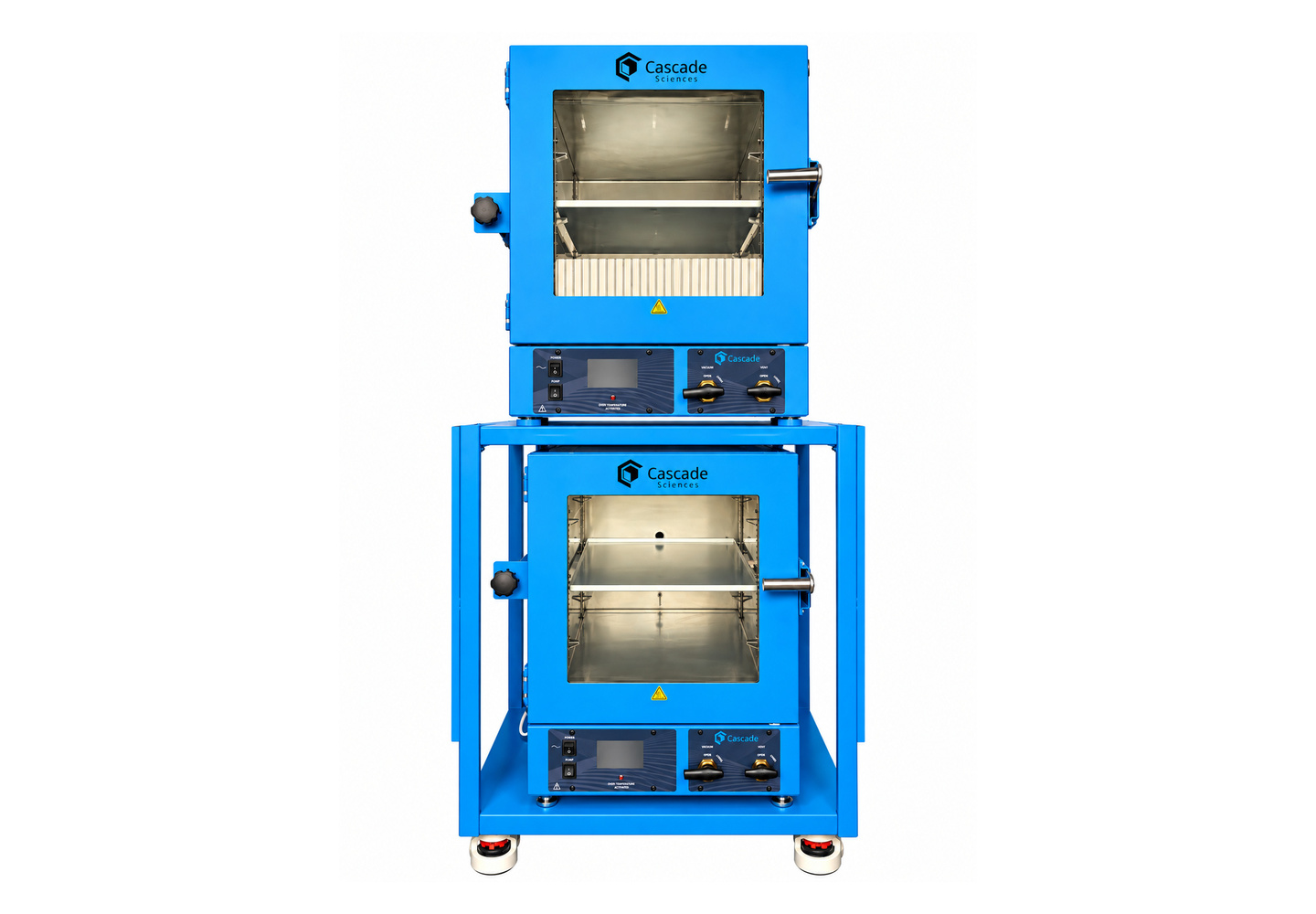
Raw cannabis produces THCA and CBDA — the acid forms, which are not intoxicating. Decarboxylation is the heat-driven reaction (typically 95–130°C) that removes the carboxyl group and converts THCA→THC and CBDA→CBD. Smoking decarbs instantly; edibles and tinctures require deliberate decarboxylation in controlled ovens or reactors before infusion. Precise temperature control matters because over-decarbing degrades THC into CBN. The equipment behind this → decarb ovens & processing equipment.
Frequently Asked Questions
Is live resin stronger than distillate?
No — distillate is typically 90%+ THC versus 65–85% for live resin. But live resin retains terpenes, which shape the experienced effect. Potency and effect are not the same thing.
Why is live rosin more expensive?
Lower yields, more labor, fresh-frozen supply chains, and the solventless premium consumers pay for it.
Does distillate contain terpenes?
Effectively none survive distillation; producers reintroduce cannabis-derived or botanical terpenes afterward.
Do I need to decarb before making edibles?
Yes — without decarboxylation the THC stays in its non-intoxicating THCA form.