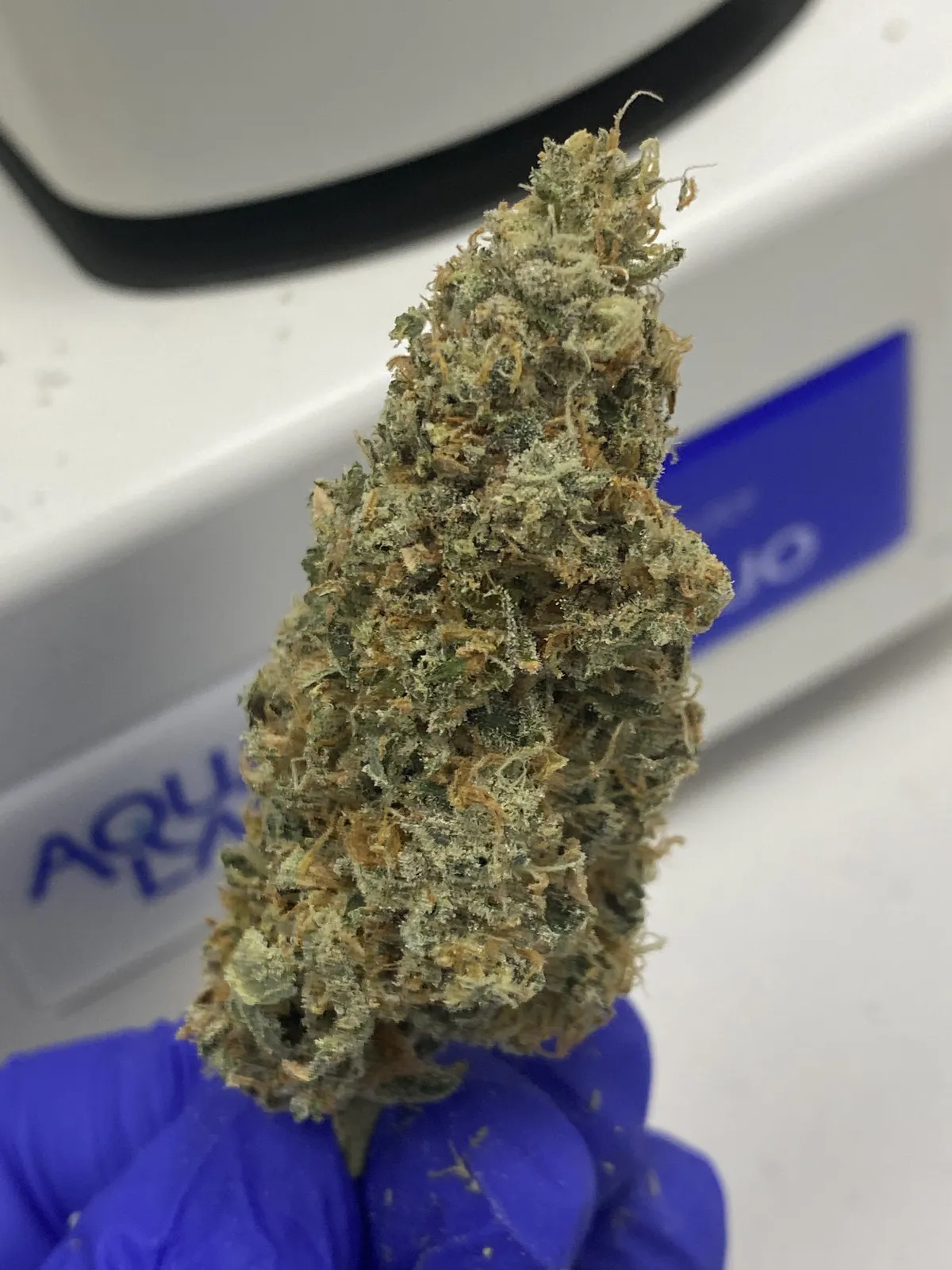
The jump from washing bubble hash in a five gallon bucket to producing it commercially comes down to one piece of equipment: the wash vessel. A commercial bubble hash washing machine controls the variables that a hand wash leaves to chance, agitation speed, run time, and temperature, and does it at a volume that makes solventless production a real business. Get the vessel right and you wash more material, more consistently, with better yield and less labor. This guide covers how to size and run a wash vessel for commercial ice water hash, and maps the variables to a real machine.
This is about washing and the vessel. Pressing rosin from your washed hash is a separate process with separate equipment, and it is not covered here.
How ice water hash separation works
Bubble hash is mechanical separation. Trichome heads, the resin glands that hold the cannabinoids and terpenes, are denser and more brittle than the plant material they sit on. Submerge cannabis in ice water and agitate it, and the cold makes the trichome heads rigid while the agitation knocks them free of the plant. The freed heads sink, the plant material stays in a bag, and you filter the slurry through a stack of mesh screens that catch the resin by size. Cold, time, and gentle agitation are the three levers, and the wash vessel is what controls all three precisely.
The science behind why cold and mechanical agitation cleanly separate trichome heads is well documented in trichome and cannabis morphology research available through databases like the National Library of Medicine, and it explains why temperature control and gentle, even agitation matter so much to yield and quality.
Fresh frozen versus dried input
Most quality commercial solventless production starts from fresh frozen material, plants frozen right after harvest rather than dried and cured. Freezing preserves the trichomes and the terpene profile and keeps the heads intact for washing. Dried material can be washed too, but fresh frozen is the standard for premium hash, and it changes how you size the vessel because fresh frozen biomass is heavier and bulkier per unit of finished product than dried.
A capable wash vessel handles both. The Lowtemp Osprey 75 gallon wash vessel, for example, takes up to 21,000 grams of fresh frozen or 4,200 grams of dry material per wash, with a practical minimum around 1,000 grams fresh frozen or 200 grams dry. That range matters: a vessel you can run at a low minimum lets you wash small premium batches and large production batches on the same machine.
Sizing the wash vessel to your operation
Size the vessel to the fresh frozen weight you intend to wash per run and per day. A 75 gallon class vessel washing up to around 21,000 grams of fresh frozen per cycle, run several times a shift, supports a serious commercial output. Smaller operations or those running many small premium batches may want a smaller vessel or value the ability to run a large vessel at a low minimum.
Think in batches per shift, not just vessel size. Each wash cycle includes loading, washing, draining and collecting through the bag stack, and resetting for the next run. The vessel capacity multiplied by realistic cycles per shift, minus the labor and ice each cycle consumes, is your real daily throughput. A bigger vessel is not faster if your collection and drying cannot keep pace.
Agitation: the variable that makes or breaks quality
Agitation is where commercial vessels separate themselves from a bucket and a paddle. Too aggressive and you tear up the plant material, releasing contaminants and green plant matter that contaminate the hash and lower the grade. Too gentle and you leave resin on the plant and lose yield. The right agitation knocks the trichome heads free without shredding the leaf.
How a vessel agitates matters as much as how fast. The Osprey uses a square vessel that creates a vertical vortex rather than a horizontal swirl, and a food grade billet hard anodized aluminum impeller designed to mix the material thoroughly without chopping it. That distinction, mixing and washing the heads off rather than blending the biomass, is the whole point of a quality wash. A vessel that just spins material hard produces lower grade hash regardless of the input.
Control over agitation is what makes results repeatable. The Osprey's waterproof 7 inch touchscreen controls RPM, total run time, run time in each direction, and rest time between direction changes, and saves those settings as recipes. Recipes are how a commercial hash washer reproduces a great wash batch after batch instead of chasing it by feel. Different cultivars wash best at different settings, and saved recipes let you dial in each one and return to it.
Water temperature and ice
Cold is non negotiable. The water has to stay cold enough through the whole wash to keep the trichome heads brittle, and agitation plus ambient heat work against you the longer you run. Operators add ice to hold temperature, and a busy line goes through a lot of it; plan on roughly 250 pounds of ice across an eight hour shift for a vessel of this class. An integrated thermocouple that monitors temperature during the wash lets you hold the cold window instead of guessing.
For operations running heavy volume, insulated and chilled vessel options reduce the ice burden and hold temperature more steadily than ice alone. Whether that upgrade pays off depends on your throughput and your local cost of ice and labor.
Bags, screens, and collection
The wash vessel frees the resin; the bag and screen stack capture and grade it. Bubble hash bags are mesh filters in graduated micron sizes that separate the trichome heads by diameter as the slurry drains through them. A work bag holds the plant material inside the vessel, and a stack of collection bags below catches the resin in fractions, the most prized heads landing in a specific micron range.
Match your bag stack to the grades you sell. The collection process is labor and a quality control point: how cleanly and quickly you pull each fraction affects both yield and grade. The best wash on the best vessel still needs a disciplined collection workflow to realize its value.
Drying determines the final grade
Washed hash is wet, and how you dry it decides whether a great wash becomes a great product or degrades into a mediocre one. Wet hash left too warm or too long degrades fast, loses terpenes, and can spoil. Commercial producers dry under cold conditions, and the two main methods are freeze drying and cold controlled air drying.
Freeze drying removes water by sublimation under vacuum at low temperature, which protects terpenes and produces a stable product quickly, and it is the premium standard for commercial solventless. The tradeoff is equipment cost. For a full comparison of the drying options and where each fits, read freeze drying versus vacuum oven drying, which weighs the methods for delicate botanicals like hash.
Temperature discipline continues right through any downstream handling. Solventless concentrates are sensitive to heat at every step, and understanding the thermal handling of solventless concentrates helps you protect the product from the wash all the way to packaging.
Compliance and sanitation
Ice water hash is a food adjacent process, and your state regulates solventless manufacturing. Expect requirements around sanitary equipment, water quality, facility conditions, and product testing. A vessel built from passivated 304 stainless steel with food grade contact surfaces, like the Osprey, is designed to meet sanitation expectations, but the rest of your process, water, drying, and handling, has to comply too. Read your state solventless or cannabis manufacturing regulations before you build the line, since the specific requirements vary by market. The manufacturer's documentation for any vessel you consider, such as the Lowtemp Industries product specifications, gives you the construction and electrical details you will need for your facility and compliance planning.
Putting the line together
A commercial ice water hash line is the wash vessel plus the support around it: a reliable cold supply or chilled vessel, a bag and screen stack matched to your grades, freeze drying or cold drying capacity sized to your wash output, cold storage, and a sanitary, compliant space. The vessel is the centerpiece, but the cold chain and drying are what protect the value the wash creates. Size them together so your drying and collection keep pace with what the vessel can wash.
FAQ
How much can a commercial bubble hash washing machine process?
A 75 gallon class vessel can wash up to around 21,000 grams of fresh frozen material or about 4,200 grams of dry material per cycle, run multiple times per shift. Your real daily output depends on batches per shift and whether your collection and drying can keep pace, not on vessel size alone.
Why does agitation matter so much in a wash vessel?
Agitation has to knock trichome heads free without shredding the plant material. Too aggressive and you contaminate the hash with green matter and lower the grade; too gentle and you leave resin behind and lose yield. A vessel that mixes and washes the heads off, rather than blending the biomass, produces higher grade hash, and saved RPM and run time recipes make great results repeatable.
How cold does the water need to be for bubble hash?
Cold enough to keep the trichome heads brittle throughout the wash, which means adding ice and monitoring temperature as agitation and ambient heat warm the water. A vessel of this class can use around 250 pounds of ice over an eight hour shift, and insulated or chilled vessel options reduce that burden for high volume producers.
Do I need to use fresh frozen material?
Fresh frozen is the standard for premium commercial hash because freezing preserves the trichomes and terpenes and keeps the heads intact for washing. Dried material can be washed but generally yields a lower grade product. Fresh frozen biomass is heavier and bulkier per unit of finished hash, which affects how you size the vessel.
How should commercial bubble hash be dried?
Under cold conditions to protect terpenes and prevent degradation, most often by freeze drying, which removes water by sublimation under vacuum at low temperature and is the premium commercial standard. Cold controlled air drying is the lower cost alternative. How you dry decides whether a great wash becomes a great product.
Scaling your solventless line? Request a quote on the Osprey and we will help you match the wash vessel and the cold chain to your production target.

Founder of Urth & Fyre. 1M+ square feet of cannabis facilities designed and optimized. Every answer on this site is his.
About Trevor →