Florida cannabis licensing, facility design and equipment.
How to open a dispensary in Florida: hold a medical marijuana treatment center (MMTC) license, because Florida has no dispensary-only license and every MMTC must also cultivate, process and transport. No application window is open as of October 2026. The 22 MMTCs licensed Sept. 11, 2026 must request cultivation authorization within 180 days.
22 new MMTC licenses issued Sept. 11, 2026; no application window open as of Oct 2026
Syncing and validating with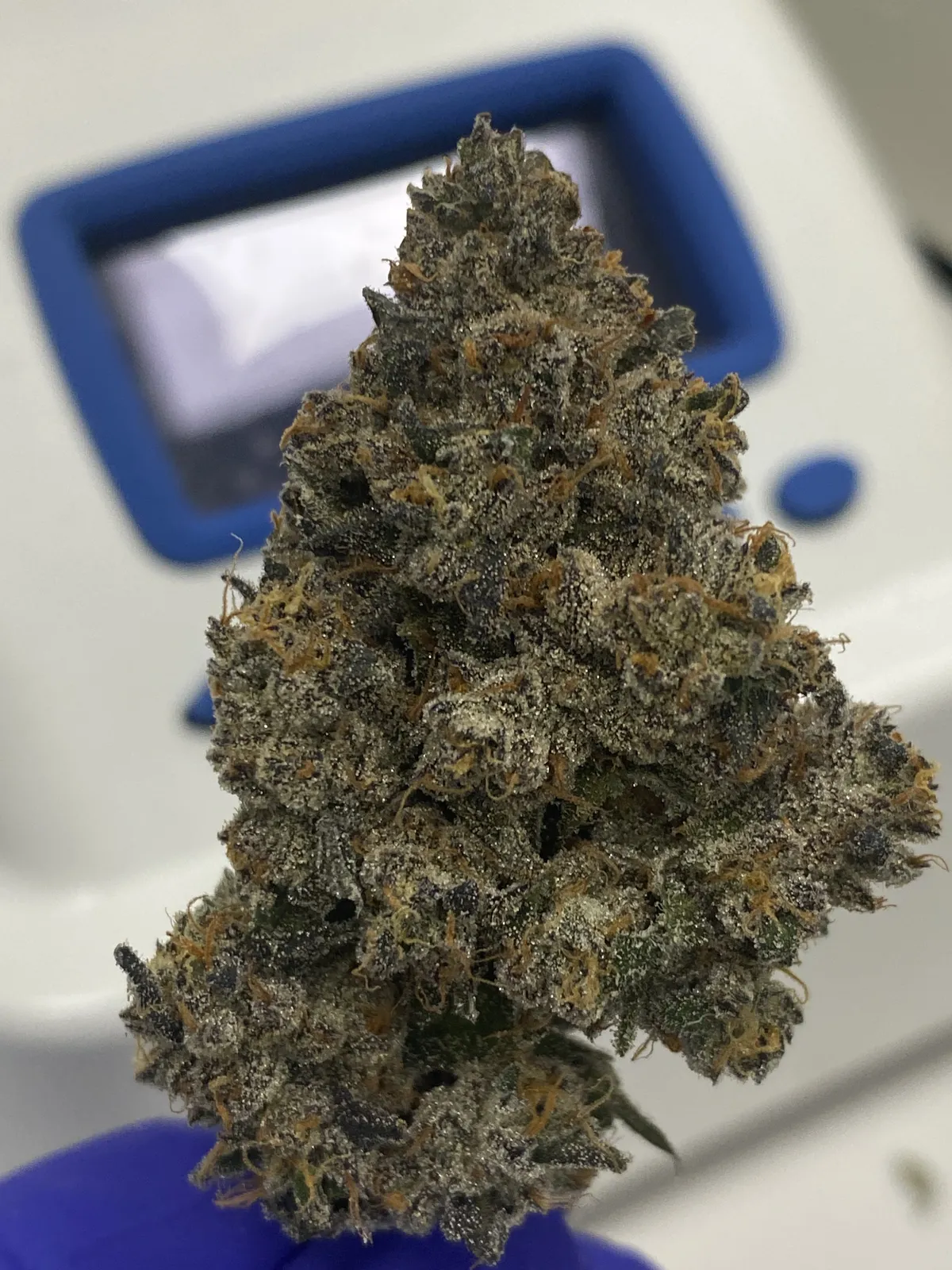
Where Florida is today
Florida is a medical-only market regulated by the Florida Department of Health's Office of Medical Marijuana Use (OMMU). The only license is the vertically integrated medical marijuana treatment center (MMTC), and OMMU lists 49 licensed MMTCs as of October 2026. Twenty-two of them were licensed Sept. 11, 2026 from the April 2023 application cycle and now face a fixed build clock. No new application window is open; compare Florida with cannabis licensing in every state.
- April 2023. Last MMTC application cycle, the April 2023 batching cycle; OMMU lists 74 applications.
- Nov. 26, 2024. OMMU sends decision letters; 22 applicants receive intents to approve.
- May 2026. Authorization procedures rule 64-4.216 (May 21) and new lab testing rules (May 28) take effect.
- Aug. 24, 2026. Permanent rules take effect for solvent extraction (64-4.209), edibles, packaging, financial assurance and seed-to-sale integration.
- Sept. 11, 2026. Final approval for the 22 (MMTC-2026-0029 to MMTC-2026-0050); the next licensure application rule (64-4.214) is proposed.
- Sept. 25, 2026. Each new licensee's $5 million bond or irrevocable letter of credit is due.
- March 10, 2027. Day 180: deadline for the 22 to request cultivation authorization. Processing follows at day 270, dispensing at day 365.
How to get a Florida cannabis license
- Know the window is closed. No MMTC application window is open as of October 2026. OMMU proposed a new licensure application rule (64-4.214) on Sept. 11, 2026; watch its notices page for the next cycle.
- Watch the patient trigger. Section 381.986 requires four more licenses within 6 months after each additional 100,000 active patients. OMMU counted 943,271 active patients on Oct. 23, 2026.
- Plan one integrated company. An entity may hold one MMTC license, and it must cultivate, process, transport and dispense. Build the cultivation business plan around all four.
- Line up financial assurance. The 2026 licensees had 14 days from licensure to post a $5 million bond or irrevocable letter of credit. Compare cannabis business financing options early.
- Or buy into an existing MMTC. Changes to an MMTC's organizational structure or capitalization table go to OMMU as a variance request (Rule 64-4.023).
- Design for the authorization clock. Cultivation, processing and dispensing requests are due 180, 270 and 365 days after licensure.
- Pick your starting point. Dispensary-only plans: Florida has no dispensary-only license, so price the full MMTC or an acquisition with cannabis financial modeling. Cultivation and processing plans: start new license facility planning so rooms, MEP and permits meet the 180-day request.
What the state issues, and what each one needs built
- Medical marijuana treatment center (MMTC). The only license type: each MMTC cultivates, processes, transports and dispenses. There is no standalone grow, processing, dispensary or microbusiness license, and an entity may hold only one.
- Licensed today. OMMU lists 49 MMTCs: 25 with dispensing authorization and 24 in initial licensure, including the 22 licensed Sept. 11, 2026.
- Financial assurance. A $5 million performance bond or irrevocable letter of credit on approval; $2 million once the MMTC serves at least 1,000 qualified patients.
- Term and fees. Licenses run 2 years and renew biennially. The application fee is set by rule each cycle.
What a Florida facility costs to design and build.
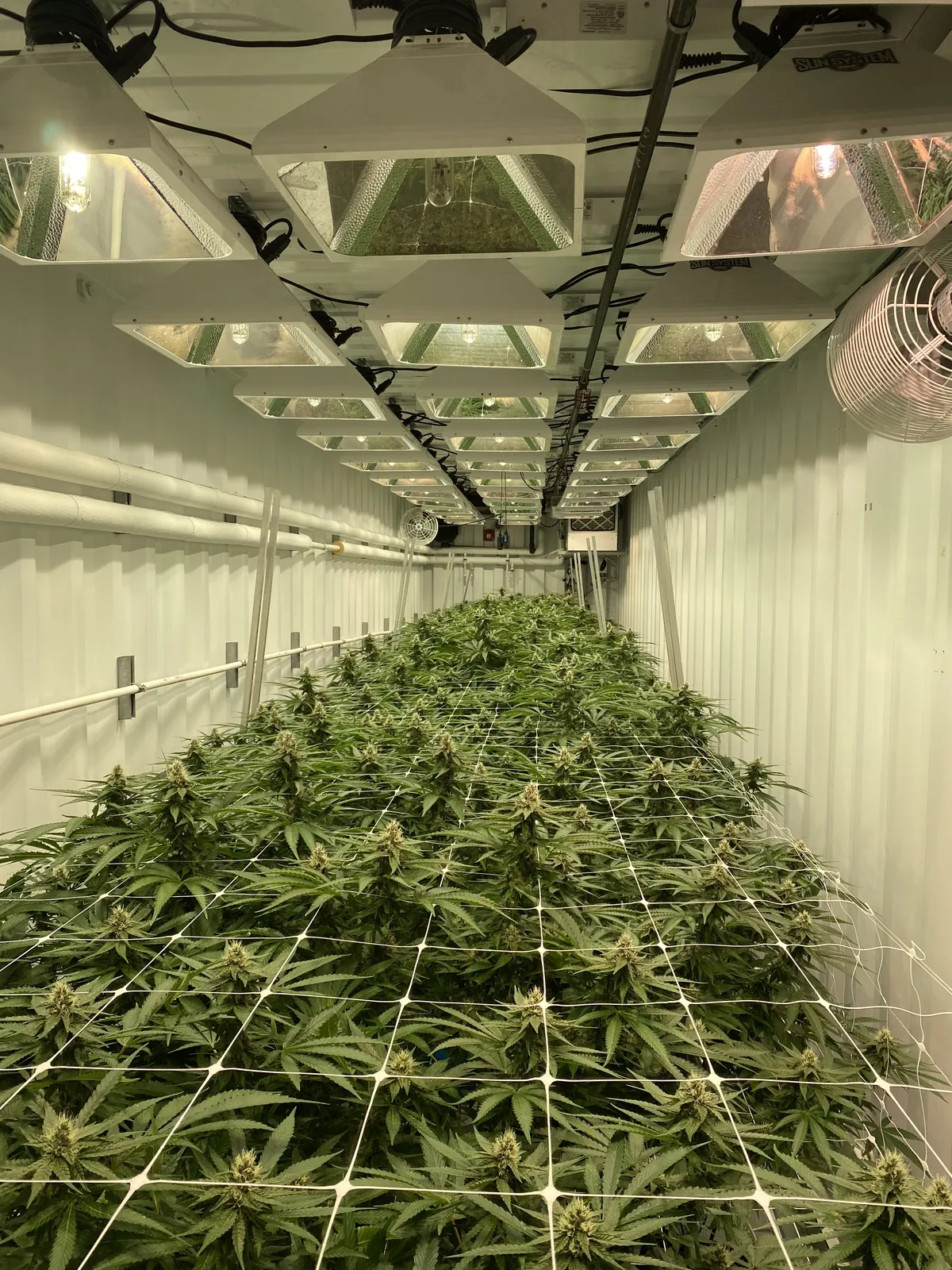
One license has to fund grow, processing, vault and dispensaries, so program size comes from the business plan. Example: a 30,000 sq ft cultivation and processing building at $150 to $500+ per sq ft runs $4.5 million to $15 million or more, before dispensaries and the $5 million bond. Design takes 30 to 60 days and the build 3 to 6 months after permits, so the 180-day cultivation request sets the schedule from licensure.
Power: Florida's average commercial electricity price was 11.53 cents per kWh in 2025, against a 13.37-cent U.S. average, per EIA Electric Power Annual, Table 2.10. Sealed flower rooms in a humid climate carry a heavy dehumidification load, so model kWh per pound early.
Siting: state law limits local zoning. A county or city may ban MMTC dispensing facilities; if it allows them, it cannot cap their number or regulate them more strictly than pharmacies. Cultivation and processing facilities must sit at least 500 feet from any public or private elementary, middle or secondary school. Miami-Dade zones dispensing under Ordinance No. 16-67, so check the local code before you sign a lease.
Florida specifics
Testing. A certified marijuana testing laboratory must test processed marijuana before it is dispensed. New lab rules took effect May 28, 2026, including sample testing (64-4.308) and certificates of analysis (64-4.311); remediation falls under Rule 64-4.213.
Odor. OMMU's MMTC rule list has no odor rule, so local code sets the bar: plan carbon filtration and negative pressure in flower, drying and processing rooms.
Security. An alarm must secure all entry points and perimeter windows. Video runs 24 hours a day in grow, processing, storage, disposal and point-of-sale rooms, kept at least 45 days, and two employees must be on site during cultivation, processing or storage.
Tracking. The Department's seed-to-sale vendor is BioTrack, and each MMTC's internal system must fully integrate with the Department's system. Before cultivation authorization, a licensee completes three Department-approved training sessions, gets a written integration plan approved and passes BioTrack validation.
Packaging and edibles. Packaging must meet the federal Poison Prevention Packaging Act. Edibles are capped at 200 mg THC each and 10 mg per serving, with no color additives or appeal to children, individually sealed in plain, opaque wrapping (Rules 64-4.205 and 64-4.219).
| Topic | Florida rule | Design response |
|---|---|---|
| Vertical integration | Every MMTC cultivates, processes, transports and dispenses; one license per entity | One program for grow, processing, vault and dispensing, planned room by room |
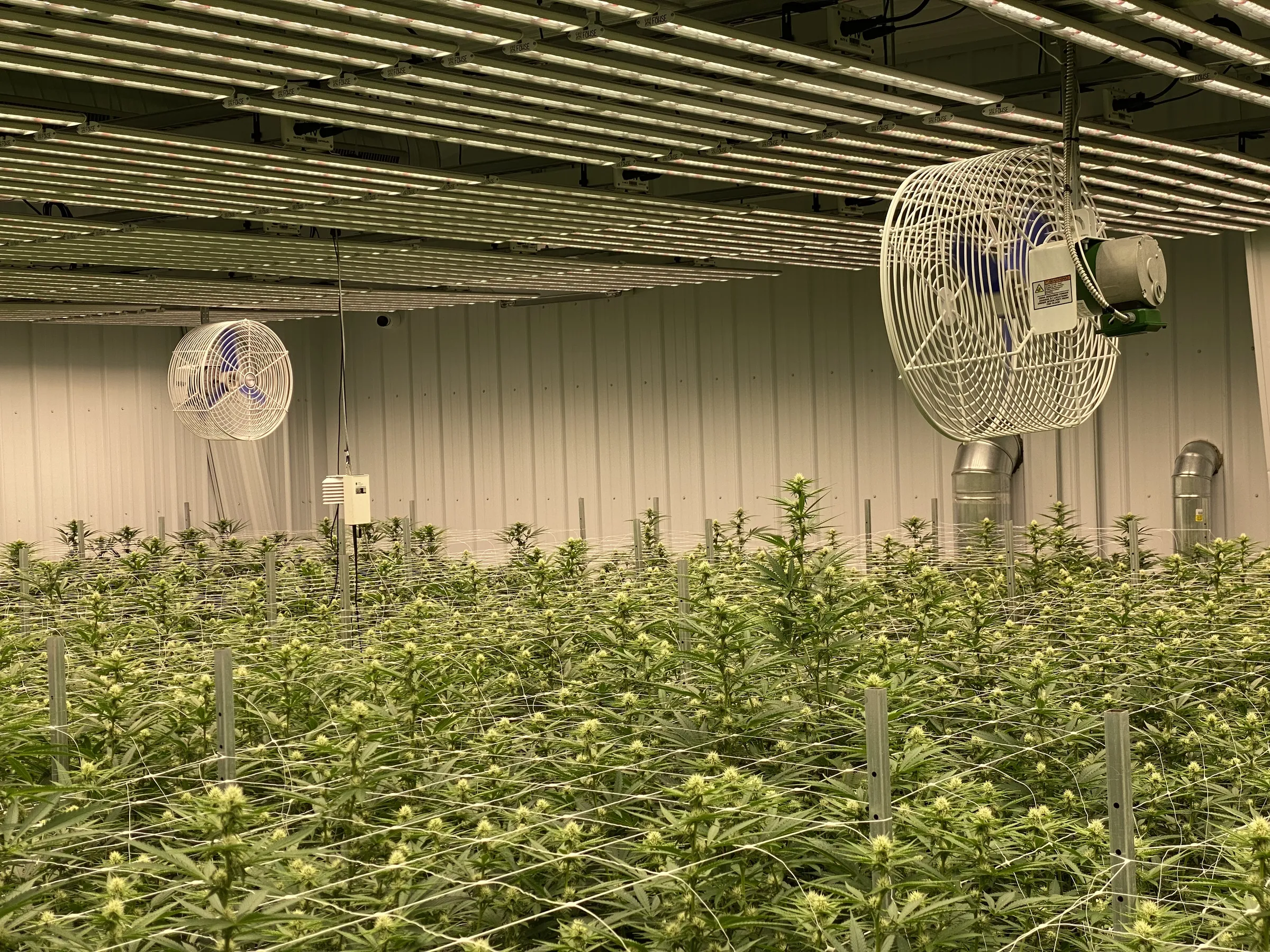
| Cultivation | Grow inside an enclosed structure, in a room separate from any other plant | Sealed rooms with HVAC and dehumidification sized by room |
| Extraction | Rule 64-4.209 (permanent since Aug. 24, 2026); processing in an enclosed room separate from plants and other products | Hazardous-location room and closed-loop system drawn into the MEP set (C1D1 room requirements) |
| Testing | Certified lab test before dispensing; new lab rules since May 28, 2026 | Microbial prevention built into airflow and sanitation (microbial testing compliance) |
| Edibles | 200 mg THC per edible, 10 mg per serving; no color additives | Kitchen and dosing line sized to the caps (edibles equipment) |
| Packaging | Child-resistant under the Poison Prevention Packaging Act; edibles in plain, opaque wrapping | Packaging room with NTEP checkweighing on the fill line |
What the same work did for an operator like you
What a Florida applicant gets from the design desk.
- A Florida cannabis compliance review against s. 381.986 and the 2026 rules before you request cultivation authorization
- Cannabis facility design for the whole program: flower, drying, processing, vault and dispensary back-of-house
- A cannabis facility design package in 30 to 60 days: room program, MEP set and equipment schedule
- Extraction and refinement rooms specified from our cannabis extraction equipment guide, solvent storage to C1D1 room
Florida questions
How do I open a dispensary in Florida?
You need a medical marijuana treatment center (MMTC) license, which also requires you to cultivate, process and transport your own product. Win one in a future application cycle or buy into an existing MMTC, filing structure changes with OMMU as a variance request; either way, the dispensary is the last stage of a full grow and processing build.
Can I apply for a dispensary license in Florida now?
No. No MMTC application window is open as of October 2026. The April 2023 cycle ended with 22 licenses on Sept. 11, 2026. If timing matters, compare the New Jersey cannabis license process.
How much is a dispensary license in Florida?
Plan on $5 million in financial assurance, a bond or irrevocable letter of credit posted on approval, dropping to $2 million once the MMTC serves 1,000 qualified patients. The application fee is set by rule each cycle (next: proposed Rule 64-4.214). With no dispensary-only license, the real cost is the full grow and processing build at $150 to $500+ per sq ft.
Can I get a cultivation-only license in Florida?
No. Every MMTC must cultivate, process, transport and dispense, and an entity may hold only one license. For another vertically integrated medical program on a build clock, see Texas licensing and facility rules.
How long does a new MMTC have to start cultivating?
A new MMTC must request cultivation authorization within 180 calendar days of licensure, processing within 270 and dispensing within 365 (Rule 64-4.216). For the 22 licensed Sept. 11, 2026, day 180 is March 10, 2027, and cultivation authorization also waits on BioTrack integration.
What does a Florida extraction room need?
It must meet Rule 64-4.209, the permanent solvent-based extraction rule since Aug. 24, 2026, and processing must sit in an enclosed room separate from plants and other products. We design the room to the fire code for the solvent (NFPA 30 solvent rooms for ethanol) and lay out the distillation suite before the MEP set is drawn.
Where the Florida rules on this page come from
- OMMU: April 2023 MMTC Batching Cycle, applications, intents to approve, final approvals
- OMMU: Licensed MMTCs, licensee count and status
- OMMU licensure letter, MMTC 2026-0029, authorization deadlines, financial assurance, BioTrack, variances
- Section 381.986, Florida Statutes (2026), license structure, bond, facility, security, packaging and siting rules
- OMMU: Rules and Regulations, rule numbers and effective dates
- OMMU: Notices, proposed Rule 64-4.214
- Florida Department of Health: OMMU rulemaking hearing, June 24, 2026, 64-4.209 replaces 64ER21-13
- OMMU Weekly Update, Oct. 23, 2026, active patient count
- Miami-Dade County Zoning: Medical Marijuana Treatment Centers, Ordinance No. 16-67
- EIA Electric Power Annual, Table 2.10 (2025), average commercial electricity price by state
Regulator: Florida Department of Health, Office of Medical Marijuana Use. Last reviewed October 23, 2026.
 Record last reviewed May 26, 2026