Idaho cannabis licensing, facility design and equipment.
Idaho cannabis has no commercial license: no medical program, no adult use, no decriminalization as of Nov. 2026. What exists is an ISDA hemp program under the 2021 Industrial Hemp Act with a zero-THC rule for finished products. On Nov. 3, 2026 voters rejected HJR 4 in unofficial returns, so the citizen initiative path to legalization stays open.
Voters rejected HJR 4 on Nov. 3, 2026 (unofficial, about 66% no); no cannabis license exists
Syncing and validating with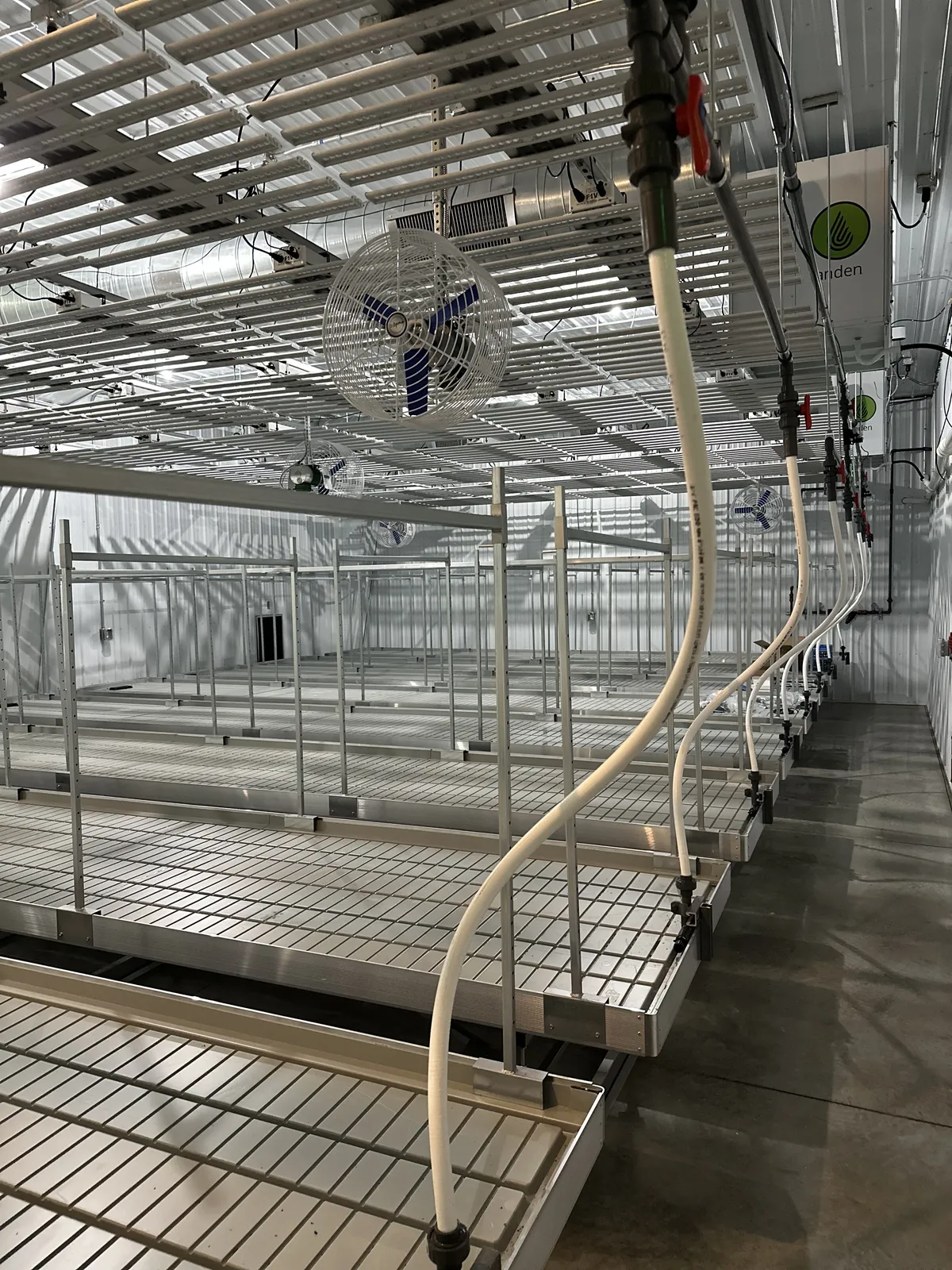
Where Idaho is today
Idaho has no cannabis regulator because it has no cannabis program; possession is a crime under Idaho Code 37-2732. The only licensed activity is hemp, run by the Idaho State Department of Agriculture under Idaho Code Title 22, Chapter 17, with finished products required to test at 0.0% THC.
The 2026 question was HJR 4, an amendment giving the Legislature sole power to legalize any psychoactive substance. Unofficial returns show voters rejected it on Nov. 3, 2026 by about 66% to 34%; the official state canvass is pending. Compare Idaho with cannabis licensing in every state.
- 2021. H 126 creates the Industrial Hemp Research and Development Act; ISDA licenses producers and handlers from the spring 2022 season.
- March 11, 2025. Senate adopts HJR 4, 29 to 6, after a 58 to 10 House vote on March 5, 2025.
- July 1, 2026. H 879 (chapter 292) amends Idaho Code 22-1705 to provide for the sale of hemp products for ingestion or inhalation; H 772 (chapter 293) adds a 1% safe harbor for grain and fiber growers.
- Nov. 3, 2026. Voters reject HJR 4, about 66% no in unofficial returns.
- Nov. 24, 2026. State Board of Canvassers scheduled to certify the result.
How to get a Idaho cannabis license
- Watch the initiative path. HJR 4 failed in unofficial returns, so a citizen statute initiative can still legalize.
- Hold a hemp handler license if extraction is the plan: $1,100 a year with a background check.
- Build next door. Start with Nevada cannabis licensing.
- Prepare the facility plan. A facility design on paper means day one of a program is not day one of design.
- Pick your starting point. Dispensary plans: cannabis financial modeling for a future retail license. Cultivation and processing plans: facility design for new licenses or a hemp extraction suite today.
What the state issues, and what each one needs built
- Cannabis: none. No medical or adult use license exists under Idaho law.
- Hemp producer (ISDA). $100 application plus $500 annual license, calendar-year term, fingerprint background check, inspections $250 per lot. Crop limit 0.3% THC; 8 producer licenses on about 233 acres in 2026.
- Hemp handler (ISDA). $100 application plus $1,000 license for processing, extraction or adding hemp extract to a product; inspections $500 per site; finished products 0.0% THC. Four handler licenses in 2026.
What a Idaho facility costs to design and build.
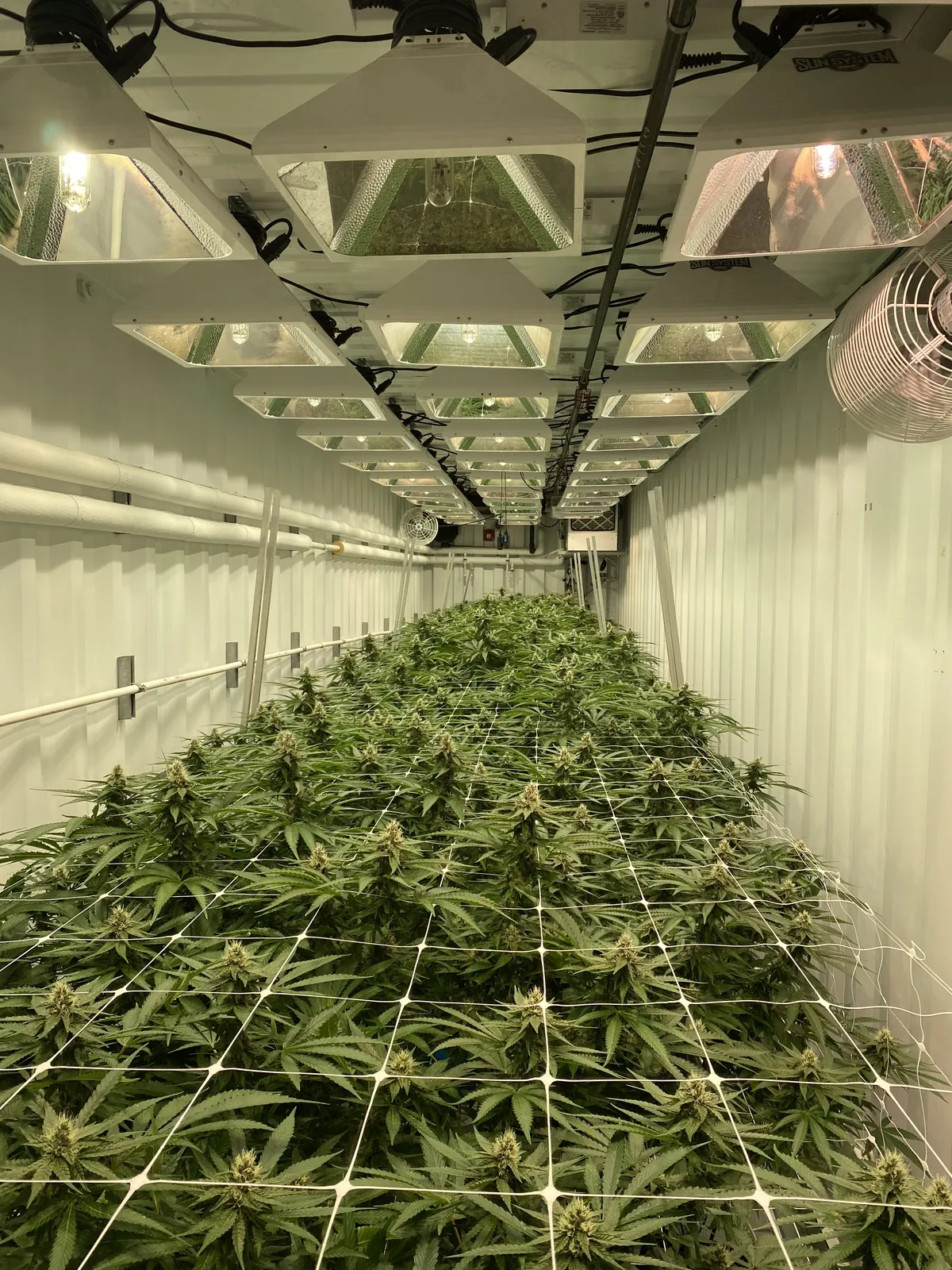
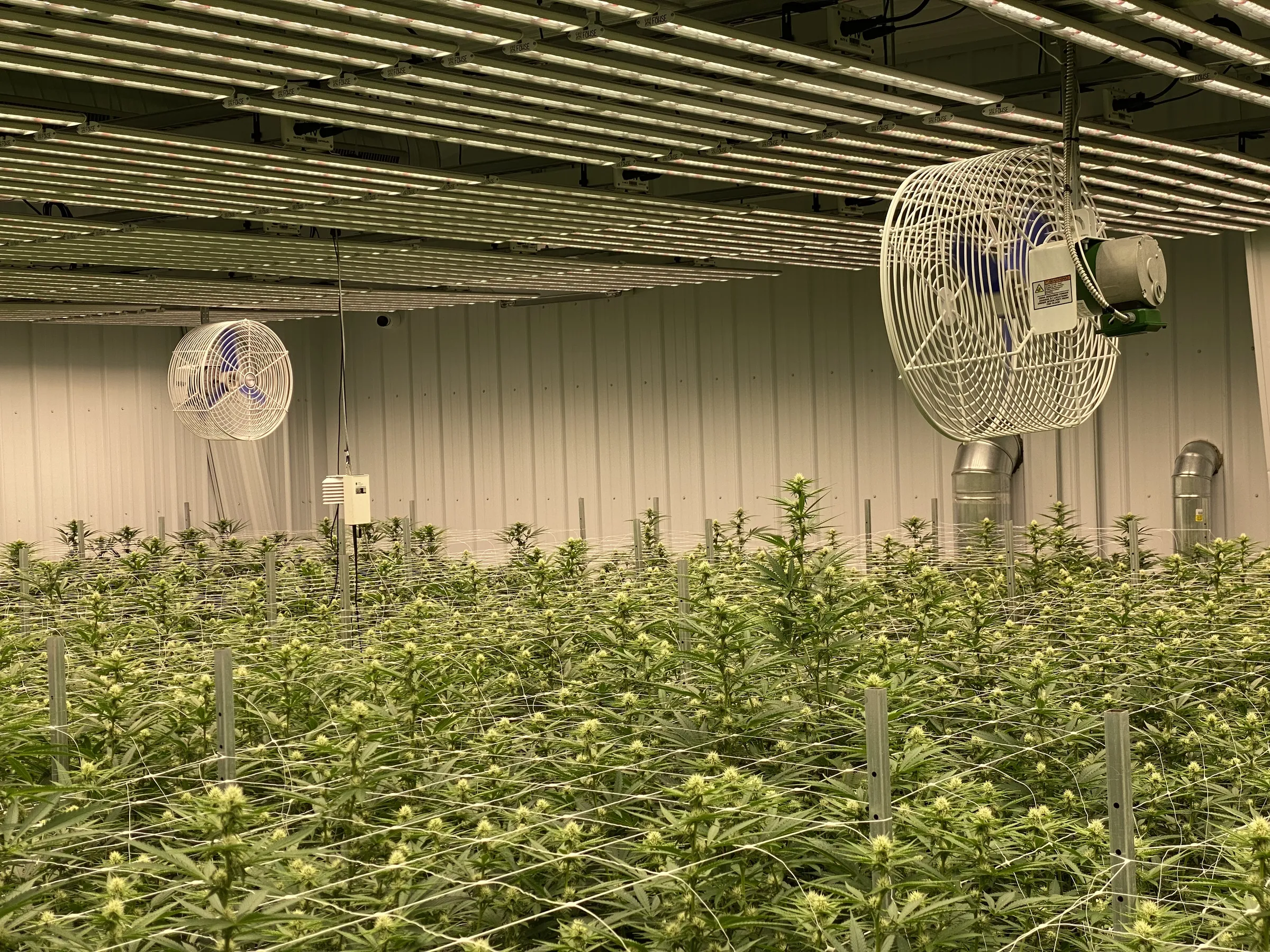
Idaho's average commercial electricity price was 9.29 cents per kWh in 2025 against a 13.37 cent U.S. average, per EIA Electric Power Annual, Table 2.10. Dry high-desert air cuts dehumidification load but adds humidification and winter heating. If a program opens, an indoor build runs $150 to $500+ per sq ft, so 10,000 sq ft is $1.5 million to $5 million or more, with design in 30 to 60 days and construction 3 to 6 months after permits.
Idaho specifics
Hemp testing. ISDA samples each lot before harvest at a DEA-registered, ISO 17025 lab. Crops stay at or below 0.3% THC; every manufactured product must test at 0.0% THC at distribution, and CBD must contain zero THC.
Hemp THC products. H 879 (July 1, 2026) amends Idaho Code 22-1705 to provide for the sale of hemp products for ingestion or inhalation; ISDA told a Senate committee on March 24, 2026 that delta-8 and delta-9 are both covered.
Fire code. The State Fire Marshal adopts the International Fire Code statewide under Idaho Code 41-253 (IDAPA 18.08.01). Plan any solvent room to IFC Chapter 39.
| Topic | Idaho rule | Design response |
|---|---|---|
| Hemp extraction | ISDA handler license; finished product 0.0% THC | Ethanol line with Buchi rotary evaporators and remediation to zero detect (extraction equipment guide) |
| Hemp testing | DEA-registered, ISO 17025 lab; pre-harvest lot sampling | In-house screening on Orange Photonics before the official sample |
| Fire code | IFC adopted statewide (IDAPA 18.08.01) | NFPA 30 solvent room drawn before the lease |
| A future program | None exists; the H 126 hemp model uses state licenses, background checks and accredited labs | Sealed rooms with Anden dehumidifiers sized for dry air |
What the same work did for an operator like you
What a Idaho applicant gets from the design desk.
- A compliance review of a hemp handler plan against the 0.0% THC rule
- Facility design for an extraction suite that converts to cannabis if Idaho opens a program
- A facility design package in 30 to 60 days for a neighboring licensed state
- Equipment from our distillation guide for THC remediation
Idaho questions
Is weed legal in Idaho in 2026?
No. Idaho has no medical program, not even low THC CBD, no adult use and no decriminalization. Possession is a crime under Idaho Code 37-2732, and H 7 (2025) added a mandatory minimum fine for a first conviction of 3 ounces or less. Hemp at 0.3% THC or less is legal under an ISDA license.
Can I open a dispensary in Idaho?
No license exists. Look to a neighboring state that licenses cannabis. Hemp retail needs no ISDA license today, though ISDA's 2026 draft rules propose a retailer license at $1,000 per site.
When will Idaho legalize cannabis?
No date exists. Voters rejected HJR 4 on Nov. 3, 2026 by about 66% to 34% in unofficial returns, which keeps the citizen initiative route open for a future ballot.
Can I grow hemp in Idaho?
Yes, with an ISDA producer license: $100 application, $500 annual license, fingerprint background check and $250 per lot inspection. Eight producers hold 2026 licenses on about 233 acres.
Where the Idaho rules on this page come from
- Idaho Legislature: HJR 4 (2025), House 58 to 10 and Senate 29 to 6 votes
- East Idaho News, Nov. 4, 2026: HJR 4 fails, AP call, unofficial count, Nov. 24 certification
- Idaho Code Title 22, Chapter 17, Industrial Hemp Act, 2021 ch. 242, 2026 ch. 292 and 293
- ISDA: Hemp applications and fees, producer and handler fees and term
- ISDA: Hemp FAQ, 0.0% THC rule, handler scope, background checks, labs
- Senate Agricultural Affairs minutes, March 24, 2026, H 879 and H 772
- EIA Electric Power Annual, Table 2.10 (2025), commercial electricity price by state
Regulator: Idaho State Department of Agriculture, Hemp Program (no cannabis regulator). Last reviewed November 7, 2026.
 Record last reviewed