Size a pre roll packaging machine to the roller that feeds it. A 4 channel JuanaRoll is rated at up to 2,000 pre-rolls an hour and Canapa's Vision360 inspector at 3,600, so one inspector covers that line with margin. Tube capping and tray loading are the stations to size carefully, because Canapa publishes no rate for them.
That gap is the reason this post exists. Rolling gets the attention and the press releases, but packing is where a new pre-roll room usually stalls: a crew hand capping tubes behind a machine that could outrun them by lunch.
What does a pre roll packaging machine do after the roller?
A pre roll packaging machine takes finished joints from the roller, inspects and check weighs them, then loads, caps and labels tubes or places them in trays. Canapa's 2022 system used an elevating conveyor into an inspection conveyor, then check weighing, then robotic or manual tube loading, capping and sealing.
For trays, the same Canapa tube and tray loading release describes conveying, weighing and inspection, then a SCARA robot that places each pre-roll in the client's tray with a vision camera guiding the pattern. Labeling, bagging, cartoning, case packing and palletizing are offered after that.
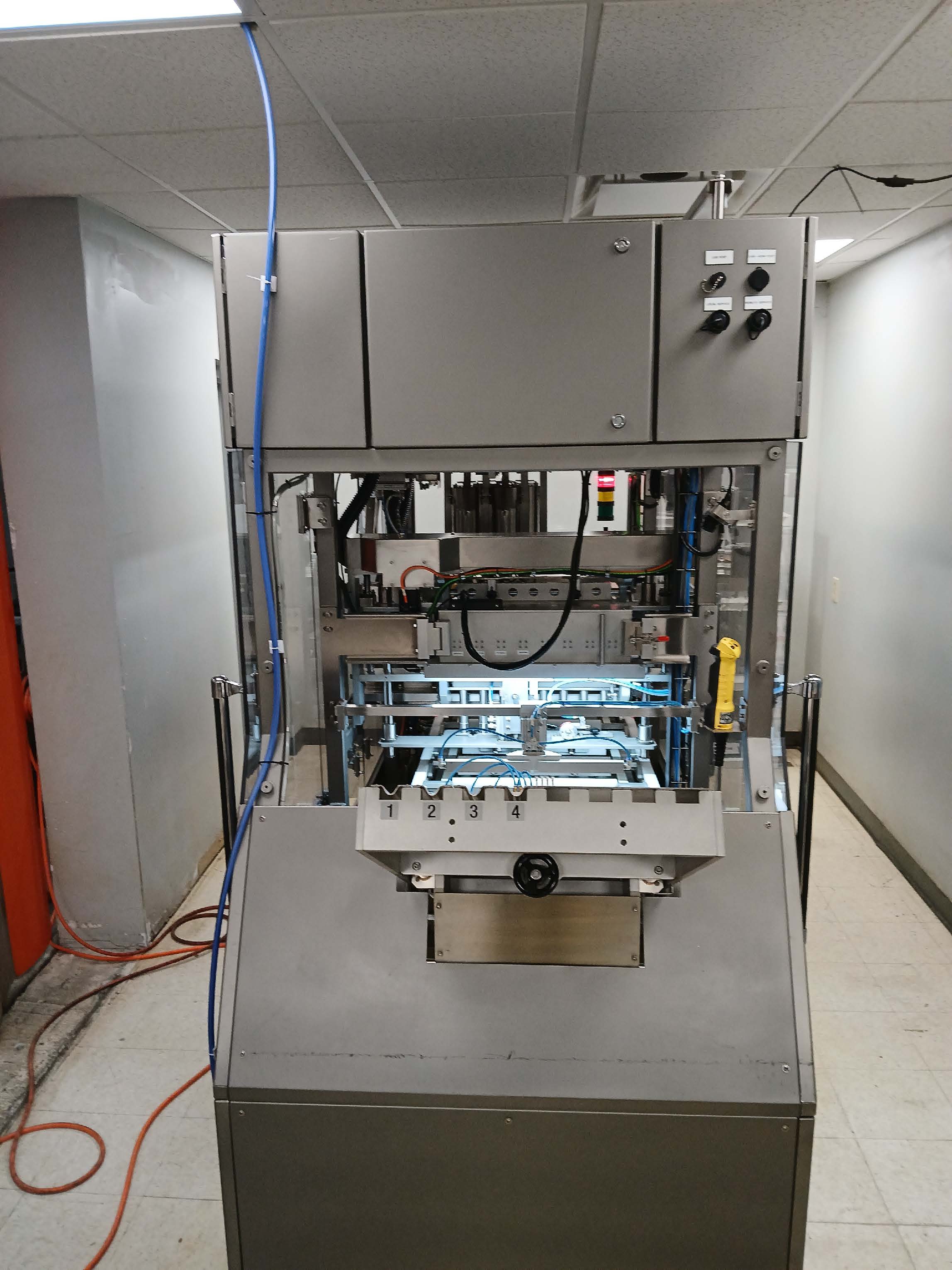
In 2025 Canapa folded tube loading and tray packing into one machine, the JuanaPack. It is the main subject below, with the Vision360 inspector and the WeightCheQ check weigher on either side of it.
How do you match pack rate to roll rate?
Start with the roller's real hourly output, then give every packing station at least 20 percent more capacity than that number so the roller never waits. Rated output and real output differ. One Canadian producer reported 3,000 pre-rolls an hour from an 8 channel JuanaRoll that Canapa rates at up to 4,000.
- JuanaRoll, 1 channel: up to 4,000 pre-rolls per 8 hour shift, about 500 an hour.
- JuanaRoll, 4 channel: up to 2,000 an hour on the unit we list.
- JuanaRoll, 8 channel: up to 4,000 an hour, or 32,000 per shift.
- Vision360 inspector: 3,600 units an hour, per ATS.
- JuanaPack tube and tray packing: no published rate. Get one in writing for your tube and cap.
The 20 percent cushion is our rule, not Canapa's. It covers jams, cap hopper refills and the operator who steps away. On an 8 channel line, one Vision360 at 3,600 an hour sits below the roller's 4,000 rating, so either plan two inspectors or plan to run the roller under rating. On a 4 channel line one inspector is plenty.
The used JuanaRoll 4 channel pre-roll machine on our site is available at $140,000. It is a 2022 unit, prewired for added channels, which means you should size the pack line for the channel count you expect in two years, not the four you start with.
Pre roll tube filling: caps, labels and the tube itself
Pre roll tube filling is where hand labor piles up, because every tube needs a joint loaded, a cap pressed or turned and a label applied. Canapa says the JuanaPack automates capping for slide caps, screw caps and pop tops, and it can pair with Canapa's tube labeling system.
The tube is the variable most buyers ignore. Child resistant tubes from two suppliers with the same nominal size can differ in wall thickness, cap torque and length. Run the factory acceptance test with tubes from the exact supplier and lot you will buy in production, and keep a second supplier's tube in the test if you plan to switch.
- Slide caps: the easiest closure to automate, in our experience. Check that the tube body does not flex under the push.
- Screw caps: need a torque setting. Ask how the machine confirms the cap seated.
- Pop tops: watch for hinge variation between lots.
JuanaPack also accepts manual input from KnockBox devices or bulk fed conveyors. A brand that still fills cones on a knockbox can automate packing first and buy the roller later.
How does tray loading work for multipacks?
Tray loading uses a robot to place pre-rolls into a multipack tray in a set pattern, guided by a camera. Canapa lists upright, inverted and staggered orientations with custom pack patterns, and says the JuanaPack is built for multipack formats with high speed tray loading upgrades available.
Multipacks change the math. A five pack of half grams means five placements per retail unit, so the tray cell often needs more capacity than a tube line feeding the same roller. Ask for cycle time per placement, not per tray, and multiply it out against your pack count.
Tray design matters as much as the robot. Pockets that are too tight crush the twist; pockets that are too loose let the joint roll when the lid goes on. Lock the tray drawing before you lock the robot recipe.
What does vision inspection catch on a pre-roll?
Vision inspection images every pre-roll and rejects ones with a bad filter, body or twist before they reach a tube. Canapa says Vision360 checks length, color, depth, cuts and tears, and sends approved product to a collection bin and rejects to a separate rework bin.
ATS lists the Vision360 pre-roll inspector at 3,600 units an hour with an incline conveyor, a 360 degree product rotator and editable recipes. It sits on wheels, takes joints by hand or straight from a JuanaRoll, and works with manual packing.
Inspection and check weighing do different jobs. A check weigher catches a light joint; a camera catches a torn paper or a crushed tip at the right weight. If retail buyers have sent back pre-rolls for appearance, the inspector pays back faster than the check weigher.
Inline, batch or hybrid: which layout fits your room?
Inline packing ties the roller, inspector and packer together on one conveyor; batch packing collects pre-rolls in bins and packs them later. Canapa designed the JuanaPack for inline, batch style or hybrid operation, and the right answer depends on how many SKUs you run in a shift.
- Inline: the least handling and the fewest people. One jam stops everything upstream, so the cushion above matters.
- Batch: the roller runs flat out and packing runs on a second shift or a different SKU. Costs floor space for bins and adds handling.
- Hybrid: inline for the core SKU, batch for short runs and multipacks.
Draw the room before you buy. Our cannabis facility design team lays out pre-roll rooms with cart paths, reject bins and cone storage drawn in, and our cannabis packaging equipment guide covers the rest of the line.
Pre Roll Packaging FAQ
Can a pre roll packaging machine run hand rolled or knockbox pre-rolls?
Yes. Canapa says the JuanaPack takes manual input from KnockBox devices as well as bulk fed conveyors, and the 2022 tube loading system could be hand fed or paired with a SCARA loader. That lets a brand automate tube capping and labeling before it buys a roller, then connect the two when volume justifies it.
Do you need vision inspection if you already check weigh?
Not always. A check weigher proves net contents, which regulators audit. A camera catches cosmetic defects such as torn paper, a short body or a loose twist that weigh the same as a good joint. If your retailers have not rejected product for appearance, start with the check weigher and add inspection when volume or returns justify it.
Which tube closures can be capped automatically?
Canapa lists slide caps, screw caps and pop tops for the JuanaPack. Test with your production tube, since cap fit varies by supplier and lot. Ask for the capping rate on your specific tube in writing, because Canapa has not published a rate and it is the number that decides whether one machine keeps up with your roller.
How do infused pre-rolls change the packing line?
Infused product can leave residue on grippers and conveyor surfaces, so plan cleaning time into the shift and ask how contact parts come off. Our post on how infused pre-rolls are made and produced at scale covers the production side, and the weighing side is in our multihead weigher buying guide.
To price a full pre-roll line, review the Canapa pre-roll and packaging equipment we specify and supply, then send your tube, cap and daily unit target through our equipment request form.

Founder of Urth & Fyre. 1M+ square feet of cannabis facilities designed and optimized. Every answer on this site is his.
About Trevor →