Colorado cannabis licensing, facility design and equipment.
How to open a dispensary in Colorado: apply to the Marijuana Enforcement Division for a retail marijuana store license and to the local jurisdiction at the same time, because Colorado caps nothing statewide. As of Nov. 2026 the state sets wholesale flower at $601 a pound, down from over $1,700 in 2021, so the question is margin, not access.
Wholesale flower AMR $601 per pound effective Oct. 1, 2026; cultivation licenses down 25% from 2023 to 2025
Syncing and validating with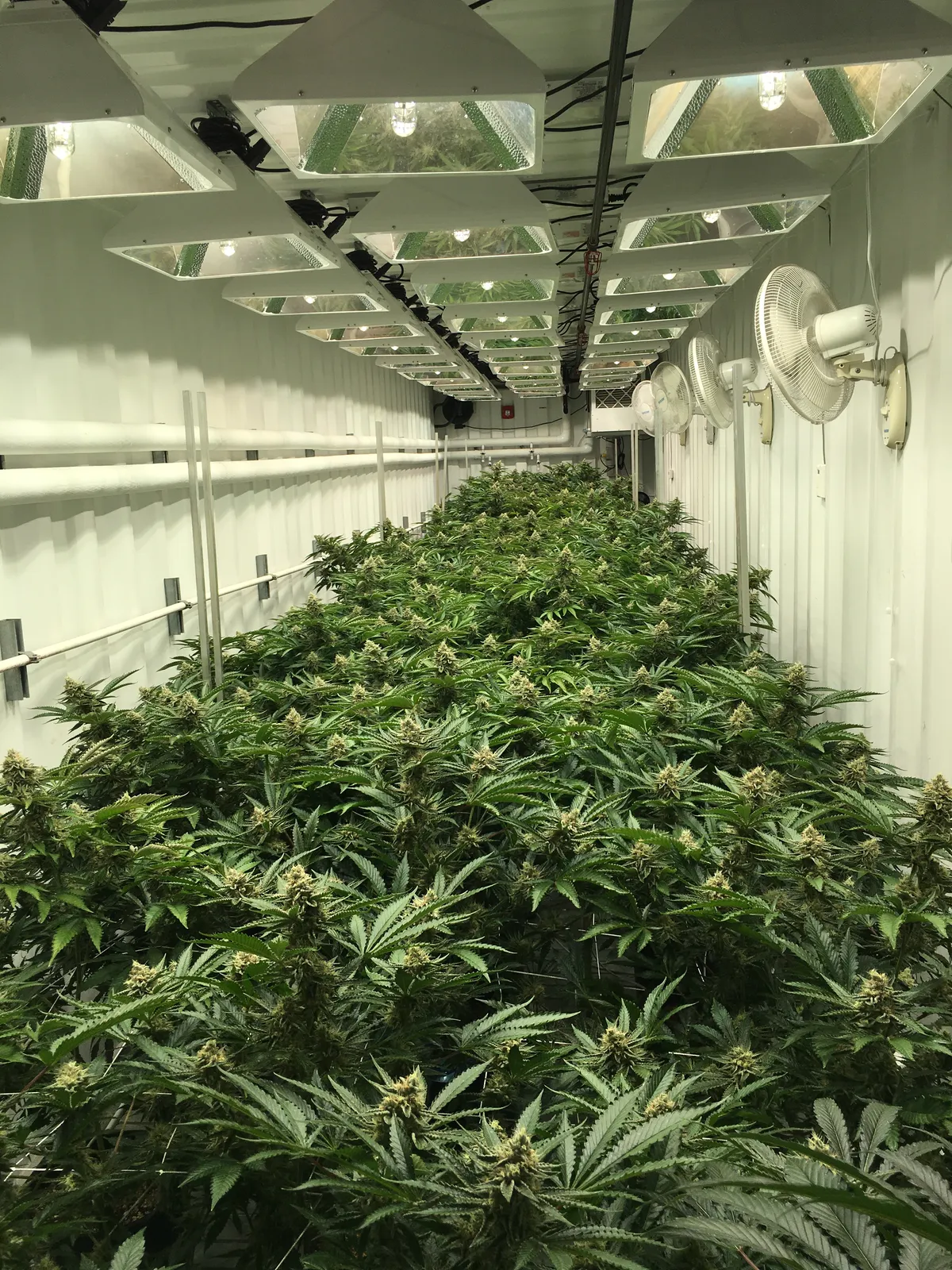
Where Colorado is today
Colorado is the oldest adult use market in the country, regulated by the Marijuana Enforcement Division (MED) in the Department of Revenue under 1 CCR 212-3, with medical and retail licenses for stores, cultivation, products manufacturing, testing, transport and hospitality. There is no statewide cap; local approval is the gate. The state's average market rate for flower fell from over $1,700 a pound in 2021 to $601 effective Oct. 1, 2026, and licensed cultivations dropped 25% between Sept. 2023 and Sept. 2025.
The 2026 session left the 15% excise tax in place. Compare Colorado with cannabis licensing in every state.
- 2012. Amendment 64 legalizes adult use; MED now licenses stores and cultivations under 1 CCR 212-3.
- 2021. Flower average market rate peaks above $1,700 a pound on sales of over $2.2 billion.
- July 1, 2023. SB 23-271 takes effect: converted cannabinoids leave hemp retail; intoxicating products move inside the MED system.
- April 1, 2025. AMR for flower $655 a pound; by Oct. 1, 2025 it ties the record low at $649, and 2024 sales close at $1.4 billion.
- April 28, 2026. SB 26-161, which would have cut the excise tax to $1 a pound and moved testing to CDPHE, is postponed indefinitely in Senate Finance per the BillTrack50 tracker; HB 26-1077 on indoor and outdoor rates is approved June 3, 2026 as Chapter 348.
- Oct. 1, 2026. AMR for flower $601, trim $204; the federal total-THC hemp test follows Dec. 11, 2026.
How to get a Colorado cannabis license
- Start with the city or county. Colorado has no state cap, so local licensing, zoning and buffers decide whether a site works. File the local and MED applications together.
- Model the price, not the plan. Underwrite cultivation at the AMR trend, $655 in April 2025 and $601 in Oct. 2026, with cannabis financial modeling.
- Buy the room, not the brand. A quarter of cultivations closed between 2023 and 2025, so used extraction, lighting and HVAC are plentiful; see the used extraction equipment buying guide and shop equipment.
- Fix yield per kWh. At $601 a pound, grams per watt and microbial pass rate decide the P&L. Run the microbial loss calculator first.
- Pick your starting point. Dispensary plans: scope the store and local license with cannabis facility design. Cultivation and processing plans: start cannabis profitability consulting to retrofit an existing room before building new.
What the state issues, and what each one needs built
- Retail marijuana store. Sells to adults 21 and over; no statewide cap; the local jurisdiction must also license the location. MED sets the application and license fee in its fee schedule effective Nov. 1, 2026.
- Retail cultivation facility. Licensed by plant count: Tier 1 up to 1,800 plants, Tier 2 1,801 to 3,600, Tier 3 3,601 to 6,000, Tier 4 6,001 to 10,200 and Tier 5 10,201 to 13,800, with expanded production above that in steps of 3,600 plants (Rule 2-205); fees rise by tier. The 15% excise tax hits the first transfer at the state AMR, $601 a pound for flower from Oct. 1, 2026.
- Retail products manufacturer. Extraction and infused products; edibles capped at 100 mg total THC per package under current law as described in SB 25-076.
- Medical licenses, testing, transport and hospitality. Parallel medical store, cultivation and products licenses, plus testing facility, transporter, business operator, hospitality and accelerator licenses; MED's fee schedule prices each one.
What a Colorado facility costs to design and build.
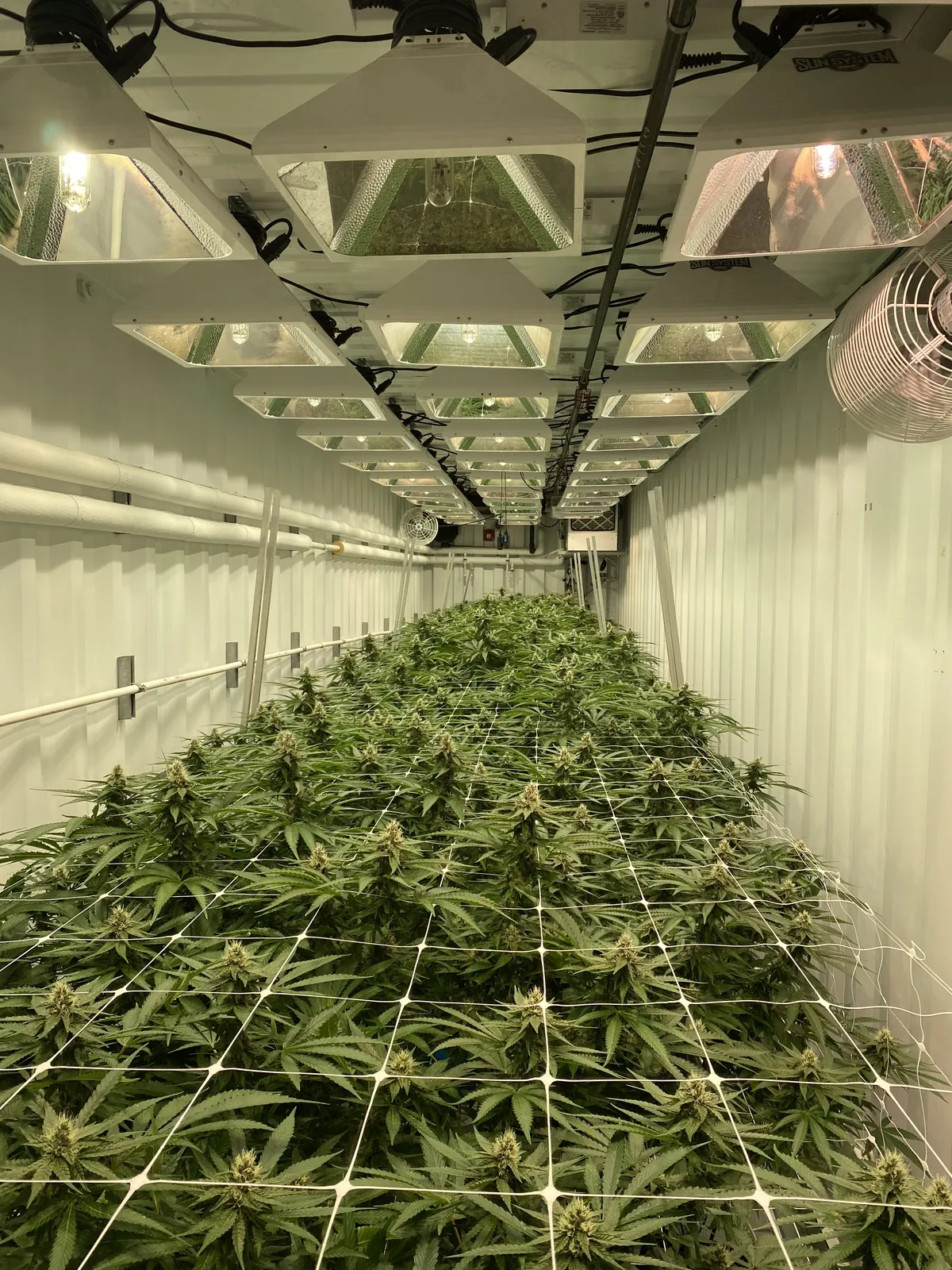
Colorado math starts at the AMR. At $601 a pound, a new 20,000 sq ft indoor build at $150 to $500+ per sq ft ($3 million to $10 million or more) has to beat a used facility a closed operator is selling for far less, so price a retrofit before a new build. Design still takes 30 to 60 days and a build 3 to 6 months after permits.
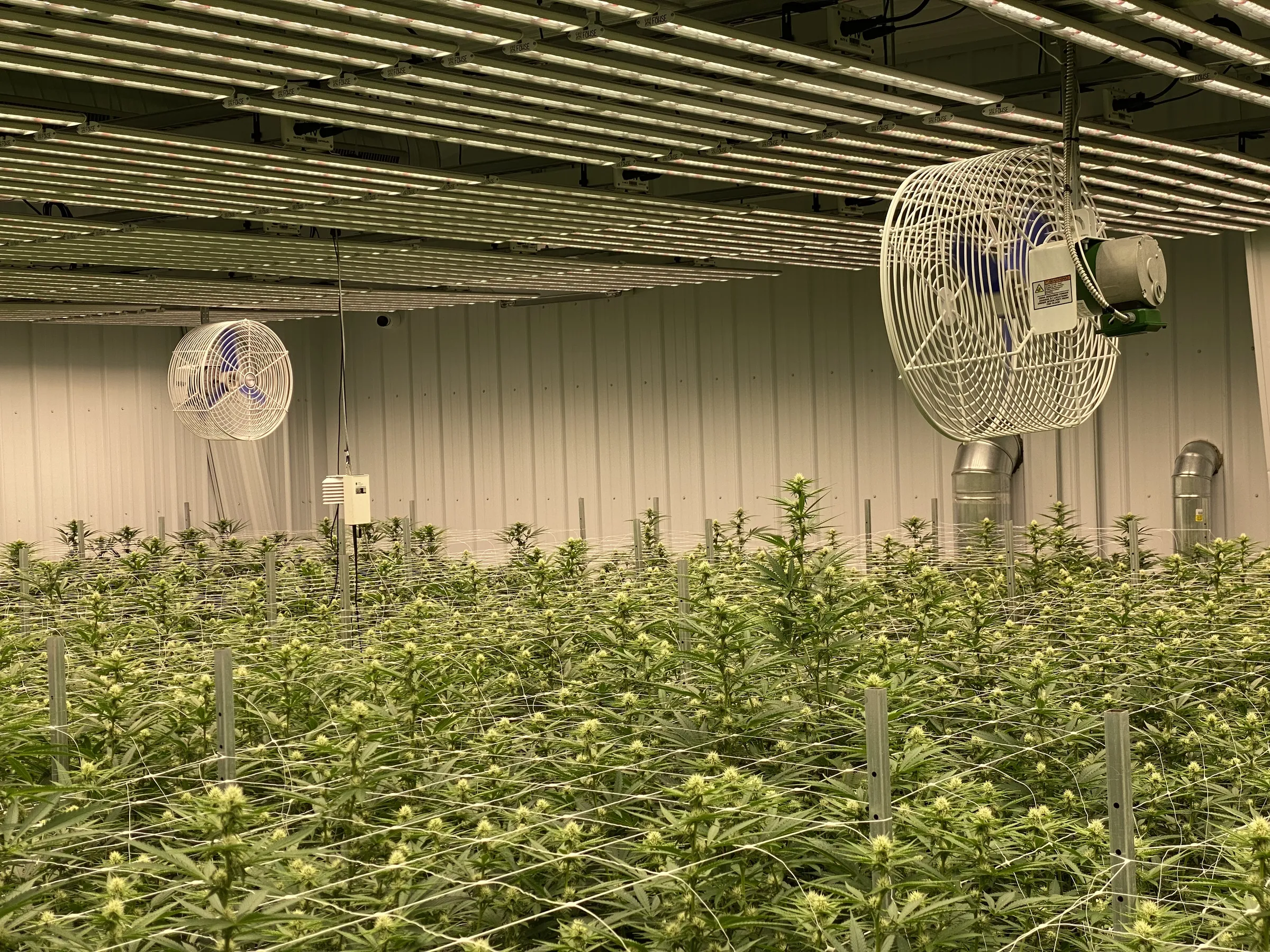
Power: Colorado's average commercial electricity price was 12.37 cents per kWh in 2025, below the 13.37 cent U.S. average, per EIA Electric Power Annual, Table 2.10. The high, dry climate cuts dehumidification load but adds winter heating and large daily swings, so Gavita fixtures, sourced on request, belong in a room that can hold VPD through large daily temperature swings. Siting: the local jurisdiction licenses the premises, and an opt-out jurisdiction closes the site regardless of the MED license.
Colorado specifics
Testing. Labs certified by MED test harvest and production batches under 1 CCR 212-3; a 2026 bill to move compliance testing to the packaging stage and oversight to CDPHE (SB 26-161) was postponed indefinitely April 28, 2026, per the BillTrack50 tracker, so the MED system stands. Rule 4-105 covers pesticides, microbials, mycotoxins, elemental impurities and residual solvents, points to Rules 4-120 and 4-125 for the required contaminant and potency tests, and bars moving or processing a batch until it passes every required test.
Security. MED's security rules in 1 CCR 212-3 set camera, alarm and limited-access requirements for every licensed premises. Rule 3-225 requires cameras on limited access areas, points of sale and every exterior entrance, recordings kept at least 30 days and backup power for at least two hours of recording; it sets no pixel minimum, only footage that identifies people and activity.
Tracking. Colorado's inventory tracking system is Metrc, which MED requires as the system of record for every medical and retail licensee; every plant, harvest, transfer and sale is tagged and reported, and the AMR excise tax is assessed on the tracked first transfer.
Packaging and edibles. Edibles are capped at 100 mg total THC per package. SB 25-076 would have added potency color strips and a 10 mg per serving cap on inhaled products, but a Senate committee postponed it indefinitely on March 11, 2025, so neither applies.
| Topic | Colorado rule | Design response |
|---|---|---|
| Wholesale price | Flower AMR $601 a pound, extraction bud $425 (Oct. 1, 2026); 15% excise on first transfer | Cost per pound drives the room: used Precision Extraction systems and the used equipment buying guide |
| Indoor vs outdoor | HB 26-1077 (approved June 3, 2026) defines outdoor as no artificial light in the canopy and requires separate fresh frozen indoor and outdoor rates by July 1, 2027 | Sealed indoor rooms earn the higher rate only with tight climate control: Anden dehumidifiers carried by Urth & Fyre, sized per our HVAC design guide |
| Solventless | Edibles capped at 100 mg THC per package; concentrates sold through MED stores | LowTemp rosin presses and the rosin press guide for a hash line that avoids solvent room cost |
| Ethanol extraction | Solvent rooms follow the fire code adopted by the local jurisdiction | Used Delta Separations systems in a room drawn to NFPA 30 |
What the same work did for an operator like you
What a Colorado applicant gets from the design desk.
- Cannabis profitability consulting that rebuilds the cost per pound of an existing Colorado room against the $601 AMR
- Cannabis facility design for retrofits: airflow, dehumidification and lighting swaps that lift yield without new square footage
- Used equipment sourcing and resale through sell equipment, matched to the extraction and climate gear in our extraction equipment guide
- A cannabis facility design package in 30 to 60 days when a new build still pencils
Colorado questions
How do I open a dispensary in Colorado?
Apply to MED for a retail marijuana store license and to the city or county for a local license at the same time. Colorado has no statewide cap, so the local jurisdiction's zoning, buffers and opt-out decision determine whether a site works. Budget MED and local fees plus a security build to 1 CCR 212-3 before opening day.
What is a Colorado cultivation license tier?
MED licenses cultivations by the maximum number of plants a facility may hold. Retail Tier 1 is up to 1,800 plants and Tier 5 is 10,201 to 13,800, with expanded production above that in steps of 3,600 plants (Rule 2-205), and fees rise by tier. Every first transfer out of the cultivation pays 15% excise on the state average market rate, $601 a pound for flower from Oct. 1, 2026, not on the actual sale price.
What is the wholesale price of cannabis in Colorado?
The Department of Revenue sets a quarterly average market rate for excise tax: flower was $655 a pound in April 2025, $649 in Oct. 2025, $607 in April 2026 and $601 effective Oct. 1, 2026, against a 2021 peak above $1,700. Trim is $204 and extraction bud $425. HB 26-1077, approved June 3, 2026, requires separate fresh frozen indoor and outdoor rates by July 1, 2027.
Is Colorado changing its cannabis laws in 2026?
The big bill failed. SB 26-161, which would have cut the excise tax to $1 a pound and moved testing to CDPHE, was postponed indefinitely in Senate Finance on April 28, 2026, per the BillTrack50 tracker. HB 26-1077, which adds separate fresh frozen indoor and outdoor market rates, was approved June 3, 2026 and took effect July 1, 2026. Federal hemp changes take effect Nov. 12 and Dec. 11, 2026. Compare Nevada for a neighboring mature market.
Should I buy used cannabis equipment in Colorado?
Usually yes. Licensed cultivations fell 25% between Sept. 2023 and Sept. 2025, so extraction systems, LED fixtures and dehumidifiers from closed facilities are on the market at a fraction of list. Inspect pressure vessels and check lamp hours, as covered in our used extraction equipment guide.
Where the Colorado rules on this page come from
- Colorado Department of Revenue: AMRs effective Oct. 1, 2026, flower $601, trim $204, extraction bud $425
- Colorado Department of Revenue: AMRs effective April 1, 2026, flower $607
- MED: AMRs effective April 1, 2025, flower $655
- MED Licenses and Fees, current fee schedule effective Nov. 1, 2026
- MED fee rules, Rule 2-205 (Aug. 2024), retail cultivation tiers by plant count
- MED: Metrc, Metrc required as the inventory tracking system of record
- HB 26-1077, Colorado General Assembly, indoor and outdoor average market rates, status history
- Legislative Council Staff fiscal note, HB 26-1077 (May 7, 2026), 15% excise tax, $40.1 million FY 2024-25, quarterly AMR method
- Senate Business, Labor and Technology Committee, March 11, 2025, SB 25-076 postponed indefinitely
- SB 26-161 status, excise and testing overhaul postponed indefinitely April 28, 2026
- Westword on the Sept. 10, 2025 DOR release, $649 record low, 2021 peak, 25% cultivation decline, 2024 sales
- EIA Electric Power Annual, Table 2.10 (2025), average commercial electricity price by state
Regulator: Colorado Department of Revenue, Marijuana Enforcement Division. Last reviewed November 7, 2026.
 Record last reviewed