Michigan cannabis licensing, facility design and equipment.
How to open a dispensary in Michigan: confirm the municipality allows it, then apply to the Cannabis Regulatory Agency for a $15,000 retailer license. Michigan is an operating, oversupplied market as of Nov. 2026: flower averaged $59.85 per ounce in February and a 24% wholesale tax has applied since Jan. 1, 2026. Most work here is optimization, not new builds.
24% wholesale tax in effect since Jan. 1, 2026; CRA's Feb. 2026 report put flower at $59.85 per oz
Syncing and validating with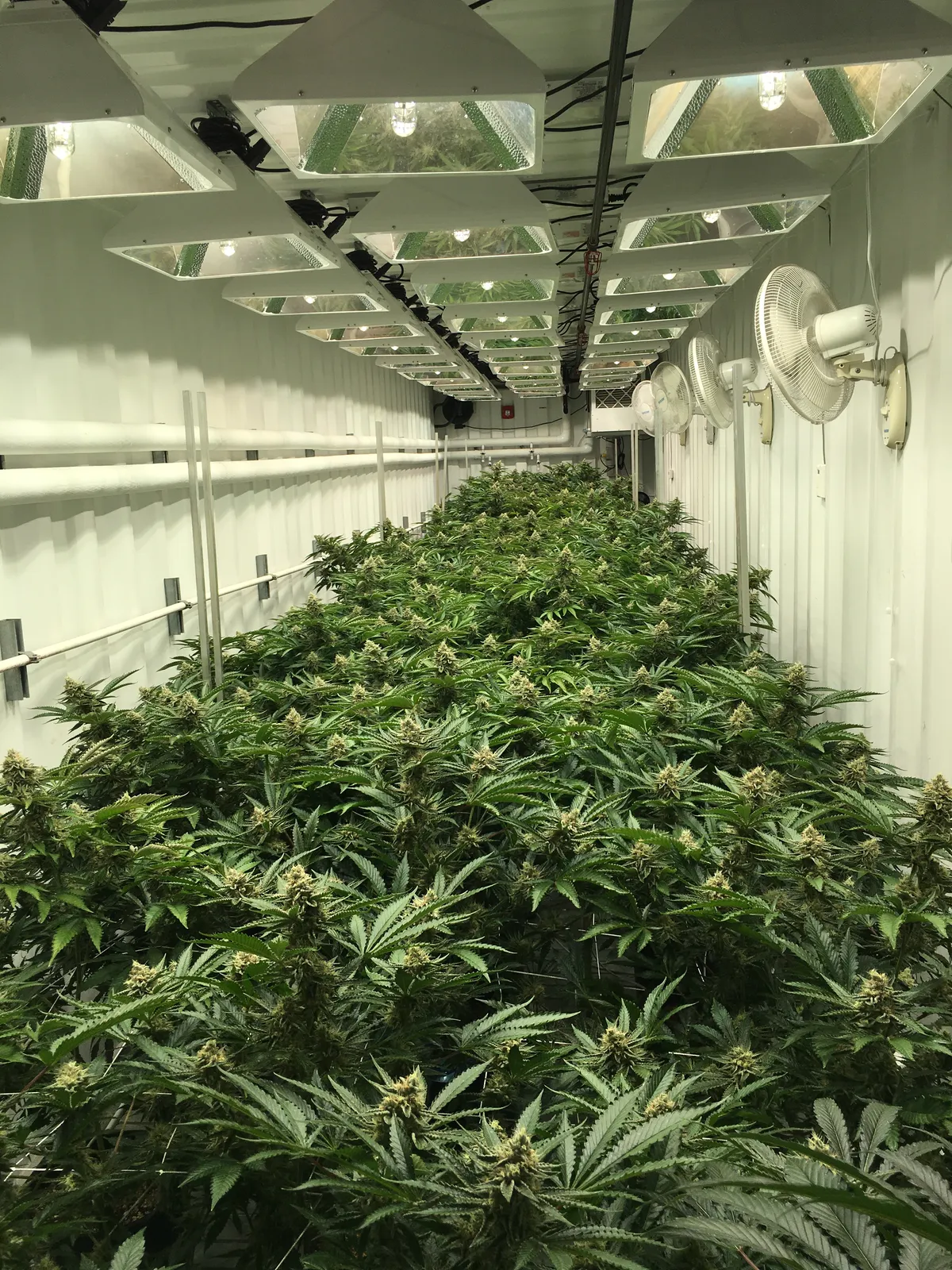
Where Michigan is today
Michigan is an operating adult-use and medical market regulated by the Cannabis Regulatory Agency (CRA). Applications run year round with no state cap; a municipality may prohibit or cap establishments under MCL 333.27956. CRA counted 815 Class C grower and 835 retailer licenses on Feb. 28, 2026, and its February 2026 report put flower at $59.85 per ounce.
A 24% wholesale excise tax has applied to the first sale to a retailer since Jan. 1, 2026, on top of the 10% retail excise and 6% sales tax. Plan for margin, not growth, and compare cannabis licensing in every state.
- Dec. 6, 2018. The Michigan Regulation and Taxation of Marihuana Act takes effect.
- Nov. 1, 2019. Adult-use applications open.
- March 7, 2022. Current rule sets take effect, including R 420.209 and R 420.304 to R 420.306.
- Oct. 7, 2025. The Comprehensive Road Funding Tax Act (2025 PA 23) is signed.
- Dec. 8, 2025. Court of Claims denies an injunction; the 24% tax starts Jan. 1, 2026.
- July 23, 2026. CRA holds a second hearing on consolidated Marihuana Rules.
- Jan. 20, 2027. All 2026 wholesale tax returns and any balance are due to Treasury.
How to get a Michigan cannabis license
- Check the ordinance first. A municipality may ban or cap establishments and charge up to $5,000 a year.
- Prequalify with CRA. Pay the $3,000 fee; prequalification holds two years.
- Price the tax stack. Model 24% wholesale, 10% retail excise and 6% sales tax against Treasury's $630.81 per pound benchmark with cannabis financial modeling.
- Secure and inspect the site. Industrial or agricultural zoning for growers, 1,000 feet from K-12 schools unless local rules say less, certificate of occupancy, then fire and security review under R 420.208 and R 420.209. CRA decides within 90 days.
- Pick your starting point. Dispensary plans: run cannabis profitability consulting on wholesale cost and tax before signing a lease. Cultivation and processing plans: retrofit with cannabis cultivation consulting before adding licenses.
What the state issues, and what each one needs built
- Class A, B and C grower. 100, 500 and 2,000 plants per license; Class C stacks. $1,200, $6,000 and $24,000 a year; 815 Class C active Feb. 28, 2026.
- Excess grower. For holders of 5 stacked Class C and 2 medical Class C licenses; 2,000 plant increments; $24,000; 51 active.
- Processor. Extraction, infusion, packaging; $24,000; 275 active.
- Retailer. Sales to adults 21 and over; $15,000; 835 active.
- Microbusiness and Class A microbusiness. 150 or 300 plants with on-site retail; $8,300 or $18,600.
- Term. One year; prequalification holds two years.
What a Michigan facility costs to design and build.
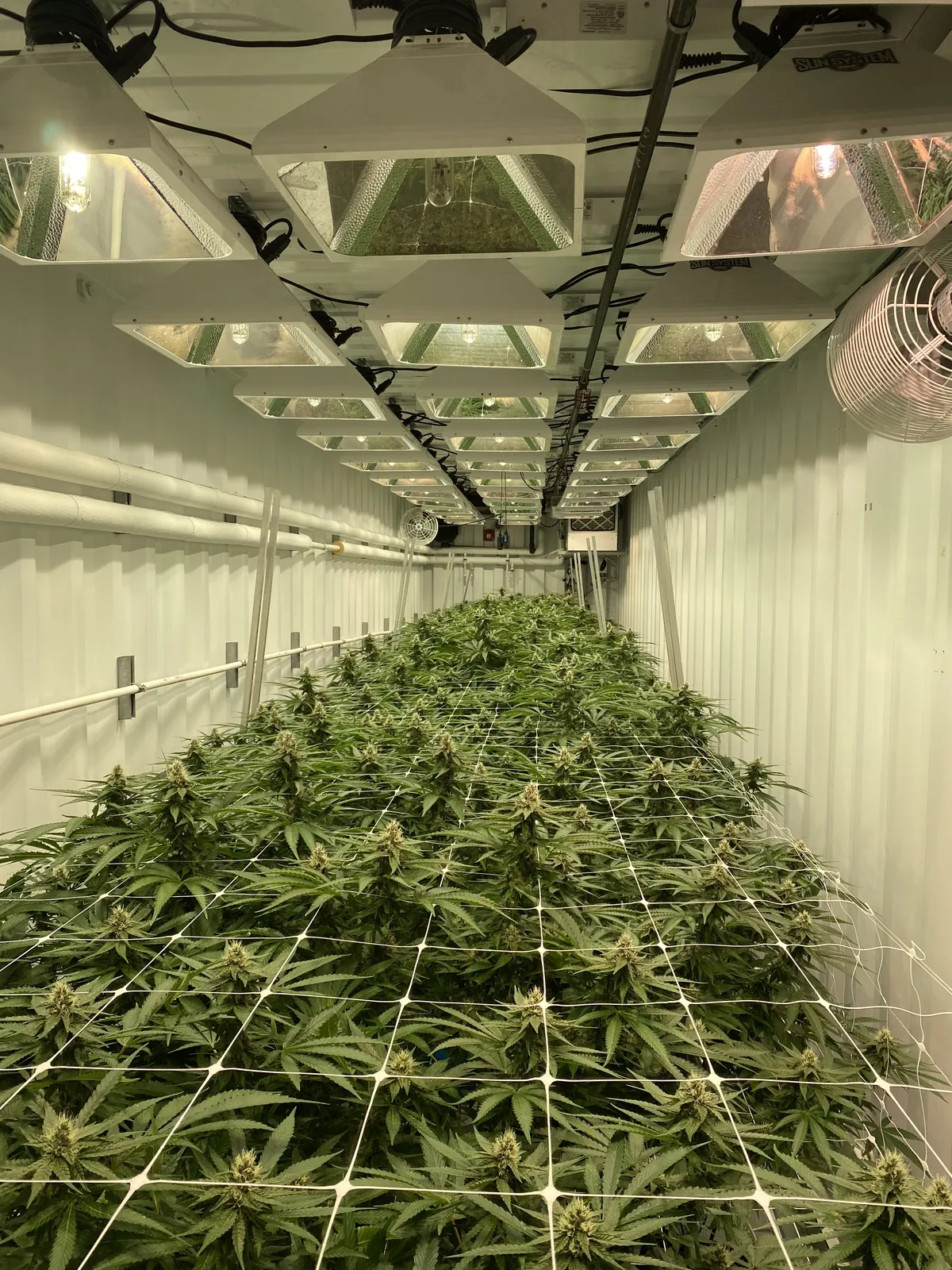
New square footage is hard to justify at $59.85 per ounce. If a build still pencils, a 20,000 sq ft Class C grow at $150 to $500+ per sq ft runs $3 million to $10 million or more: design 30 to 60 days, build 3 to 6 months after permits. The 24% tax on Treasury's $630.81 per pound benchmark is about $151 a pound, so a retrofit that lifts yield per square foot and cuts kWh per pound usually wins.
Power: Michigan commercial electricity averaged 14.48 cents per kWh in 2025, against 13.37 cents nationally, per EIA Electric Power Annual, Table 2.10. Detroit averaged 23°F in January 2025, so veg rooms need heat and humidification; summers drive dehumidification (cannabis HVAC design guide).
Siting: a municipality may ban or cap establishments and charge up to $5,000 a year (MCL 333.27956). Surplus gear carries value: sell equipment rather than store it.
Michigan specifics
Testing. Harvest batches cap at 50 pounds with a 0.5% sample (R 420.304). Panels cover potency, foreign matter, microbials, chemical residue, heavy metals, water activity and solvents (R 420.305). A failed batch needs two consecutive passing retests, paid by the business (R 420.306).
Odor. No statewide odor rule; R 420.208 requires exhaust ventilation for noxious gases, and odor limits are local.
Security. R 420.209: alarm, commercial locks, 720p cameras on product, entry and sales areas, 30 day retention.
Tracking. Metrc is the statewide monitoring system; CRA has paid licensee monthly fees since Oct. 1, 2024.
Packaging and edibles. R 420.403: homogeneity within 15%, no human, animal or fruit shapes, opaque child-resistant packaging, 21 CFR 117 food safety; THC caps published under R 420.404.
| Topic | Michigan rule | Design response |
|---|---|---|
| Oversupply | Flower $59.85 per oz retail; $630.81 per lb wholesale benchmark, Q4 2026 | Cut cost per pound with room layout and airflow fixes |
| Testing | 50 lb batches; two passing retests after a failure (R 420.304, R 420.306) | Microbial prevention protocol over remediation |
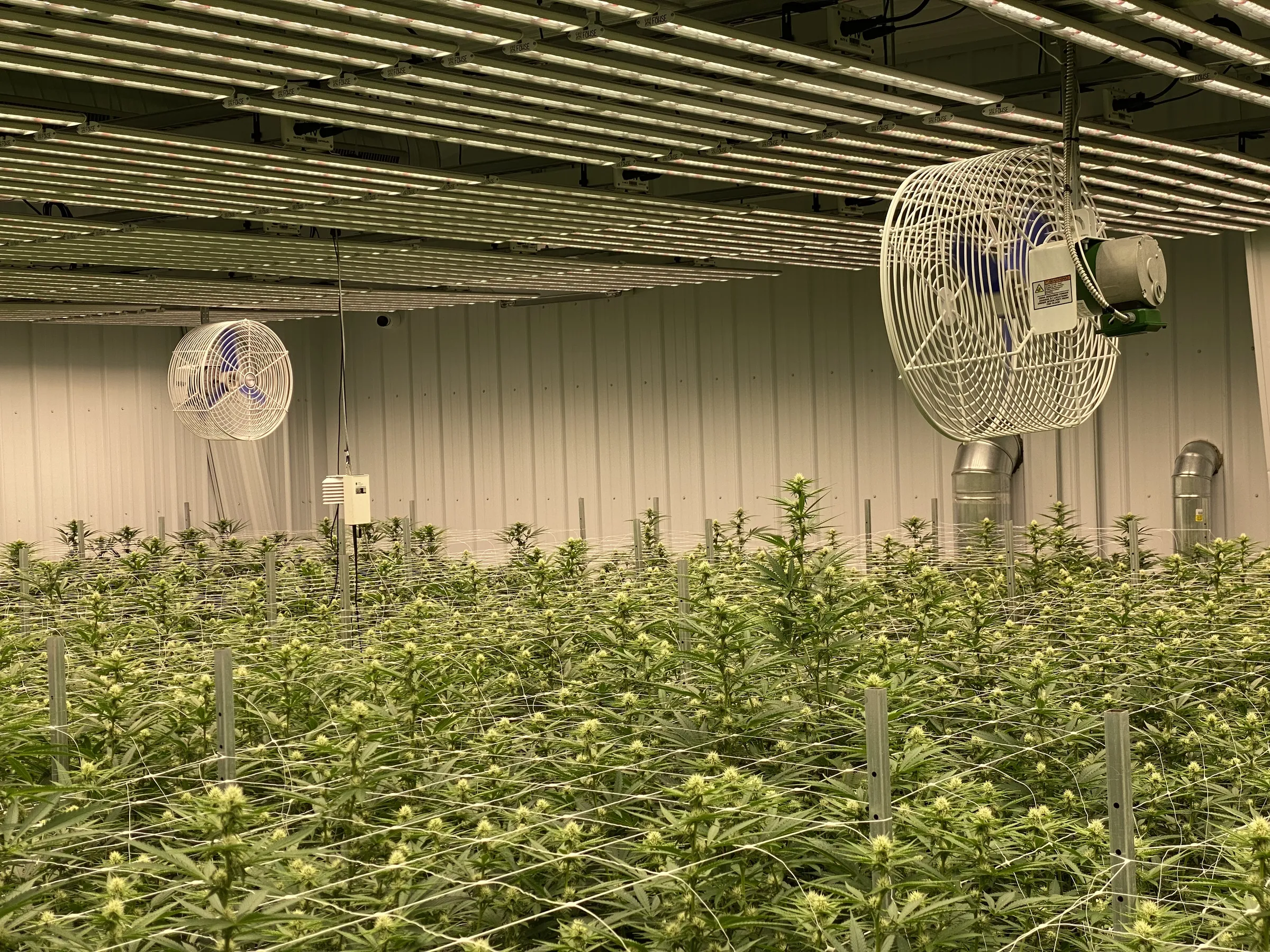
| Dehumidification | Exhaust ventilation required (R 420.208); humid summers, cold winters | Anden dehumidifiers or Quest units sourced on request, metered in kWh per pound |
| Lighting | Commercial power at 14.48 cents per kWh (EIA, 2025) | LED retrofits with Thrive Agritech fixtures |
| Extraction | Gas detection, BFS approval, NFPA 58 for butane and propane (R 420.208) | Used Precision Extraction systems checked against our used extraction equipment guide |
What the same work did for an operator like you
What a Michigan applicant gets from the design desk.
- Cannabis profitability consulting that models the 24% wholesale tax and your cost per pound
- Cultivation optimization like our container cultivation case study: 13 to 35 lb per container, client reported
- A microbial loss calculator and protocol aimed at 95%+ pass rates under R 420.306
- Equipment resale for surplus lights, dehumidifiers and extraction systems, priced from our extraction equipment guide
Michigan questions
How do I open a dispensary in Michigan?
Find a municipality whose ordinance allows retailers, prequalify with CRA for $3,000, then apply for the $15,000 retailer license with a certificate of occupancy, security plan and fire inspection. With 835 retailers licensed, buying an existing store often beats a new build.
How much is a Michigan cannabis license?
Prequalification is $3,000. Annual fees are $1,200 for a Class A grower, $6,000 Class B, $24,000 Class C, $24,000 processor, $15,000 retailer, $8,300 microbusiness and $18,600 Class A microbusiness. A municipality may add a local fee of up to $5,000 a year.
What does a Michigan Class C grower license allow?
Up to 2,000 mature plants per license, and licenses stack at one site. Holders of 5 stacked Class C and 2 medical Class C licenses can add excess grower plants in 2,000 plant increments. Sites must be zoned industrial or agricultural.
Is the 24% wholesale tax still in effect?
Yes. It took effect Jan. 1, 2026 on the first sale to a retailer, the Court of Claims declined to block it, and Treasury publishes quarterly benchmark prices for affiliated transfers. Litigation and repeal bills are pending; 2026 returns are due Jan. 20, 2027.
What should a Michigan grow optimize first?
Microbial pass rate, because a failed 50 pound batch needs two passing retests and the grower pays. Then kWh per pound against 14.48 cent power, then yield per square foot. Start with our grow-optimized dehumidifier comparison and a cannabis facility design review.
Where the Michigan rules on this page come from
- CRA Monthly Statistical Reports, flower prices, pounds sold, inventory and license counts (December 2025, February 2026, February 2026)
- CRA FAQ: adult-use license fees, application and annual fees by license type
- MCL 333.27959, MRTMA Section 9, license types, plant counts, 90-day decision, school setback
- MCL 333.27956, MRTMA Section 6, municipal prohibition, caps, local license and $5,000 fee
- 2025 PA 23, Comprehensive Road Funding Tax Act, 24% wholesale tax effective Jan. 1, 2026
- Treasury RAB 2026-3, taxpayer, tax base, affiliated transfers
- Treasury Average Wholesale Price, Oct. 1 to Dec. 31, 2026, $630.81 per pound flower benchmark
- Treasury: reporting and remitting the wholesale tax, quarterly due dates and Jan. 20, 2027 deadline
- Court of Claims opinion, Dec. 8, 2025, injunction denied
- Mich. Admin. Code R 420.209, security and video surveillance; R 420.208, building and fire safety
- Mich. Admin. Code R 420.306, retesting after a failed safety test; R 420.304, sampling and 50-pound batches
- EIA Electric Power Annual, Table 2.10 (2025), average commercial electricity price by state
Regulator: Michigan Cannabis Regulatory Agency (CRA). Last reviewed November 7, 2026.
 Record last reviewed