Massachusetts cannabis licensing, facility design and equipment.
How to open a dispensary in Massachusetts: apply to the Cannabis Control Commission for a Retailer license, $1,500 to apply and $10,000 a year, and sign a host community agreement with your city or town. As of Nov. 2026 one owner may hold six retail licenses, up from three, under the reform law signed April 19, 2026.
Reform law signed April 19, 2026: six retail licenses per owner, up from three; CCC cut to three members
Syncing and validating with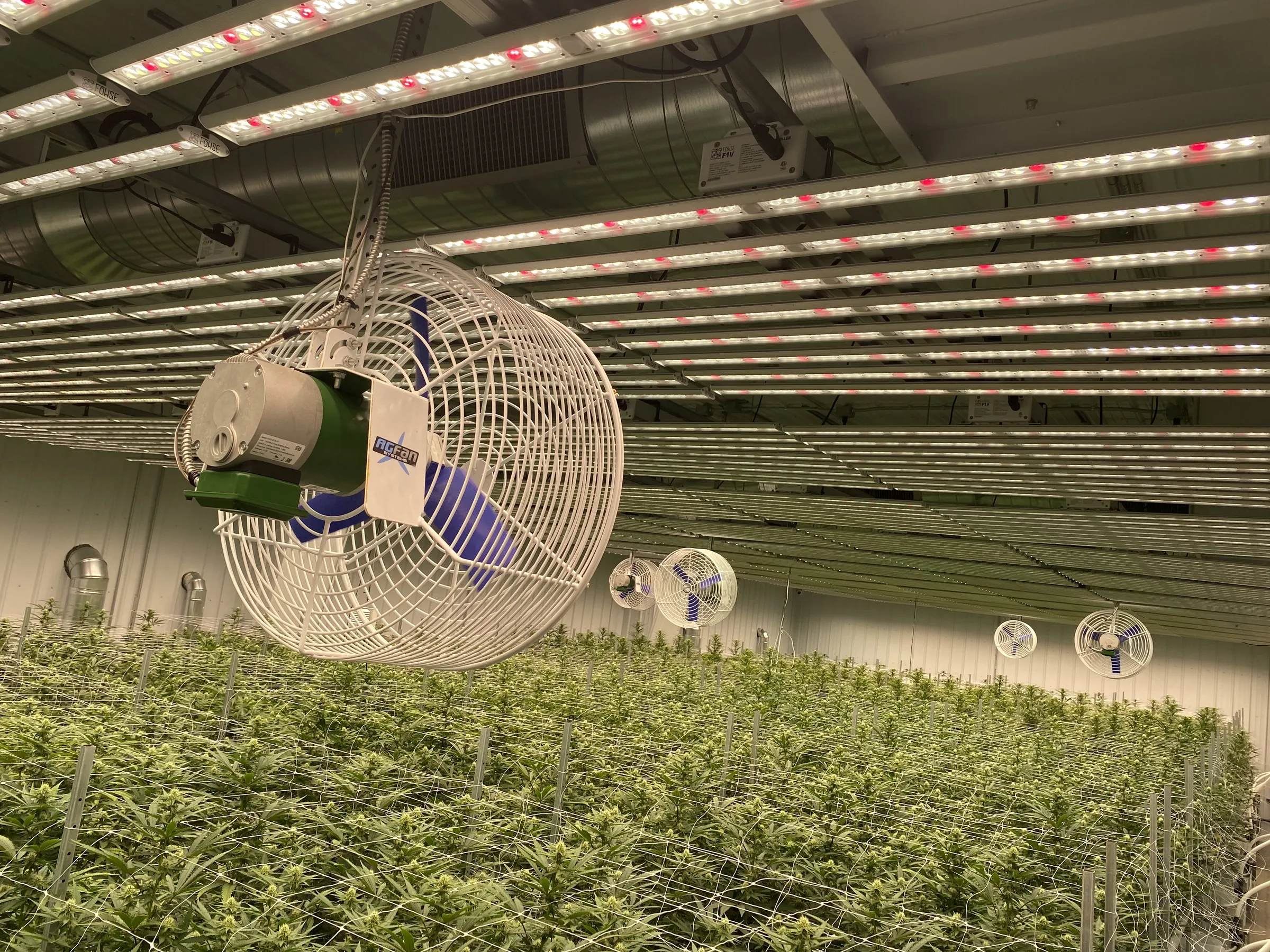
Where Massachusetts is today
Massachusetts is an operating adult use and medical market licensed by the Cannabis Control Commission (CCC) under 935 CMR 500. The reform law Governor Healey signed April 19, 2026 cut the commission to three members, raised the retail cap from three licenses per owner to six and ended the rule that every medical operator grow and process what it sells.
Every establishment also needs a host community agreement with its city or town. Compare Massachusetts with cannabis licensing in every state.
- March 23, 2018. Fee rule 935 CMR 500.005, which sets the cultivator canopy tiers, takes effect.
- Aug. 15, 2023. Amendments noticed: CCC oversight of host community agreements, and community impact fees capped at 3% of gross sales for a single term of 8 years.
- January 2025. The CCC publishes community impact fee and host community agreement resources.
- April 19, 2026. Reform law signed: three commissioners, six retail licenses per owner, medical vertical integration ended.
- Oct. 22, 2026. The CCC updates its fee schedule page, which lists social consumption and research fees.
How to get a Massachusetts cannabis license
- Pick the license and the tier. Every CCC fee is nonrefundable, so fix canopy and store count before you file.
- Check the equity waivers. Certain equity and microbusiness applicants get 100% of application fees and 50% of license fees waived.
- Sign the host community agreement. Under amendments noticed Aug. 15, 2023, a community impact fee must be reasonably related to the host community's costs and may not exceed 3% of gross sales.
- Budget past the fee. Background checks, fingerprinting and Metrc fees and tags come on top. Model them with power at 23.10 cents per kWh in cannabis financial modeling.
- Pick your starting point. Dispensary plans: draw one repeatable store with cannabis facility design. Cultivation and processing plans: start new license facility planning so the canopy lands in the tier you priced.
What the state issues, and what each one needs built
- Cultivator. 11 canopy tiers, Tier 1 (up to 5,000 sq ft) to Tier 11 (90,001 to 100,000 sq ft). Indoor license fees run $1,250 to $50,000 a year; outdoor license fees are half.
- Retailer. $1,500 to apply and $10,000 a year; one owner may now hold six.
- Product Manufacturer and Microbusiness. A manufacturer pays $1,500 and $10,000; a Microbusiness pays no application fee and 50% of applicable license fees.
- Social consumption and research. Social Consumption Establishment, $1,500 and $10,000; Research Facility, $300 and $1,000.
- Medical Marijuana Treatment Center. $3,500 to apply and $50,000 a year. Medical operators no longer all have to grow and process what they sell.
What a Massachusetts facility costs to design and build.
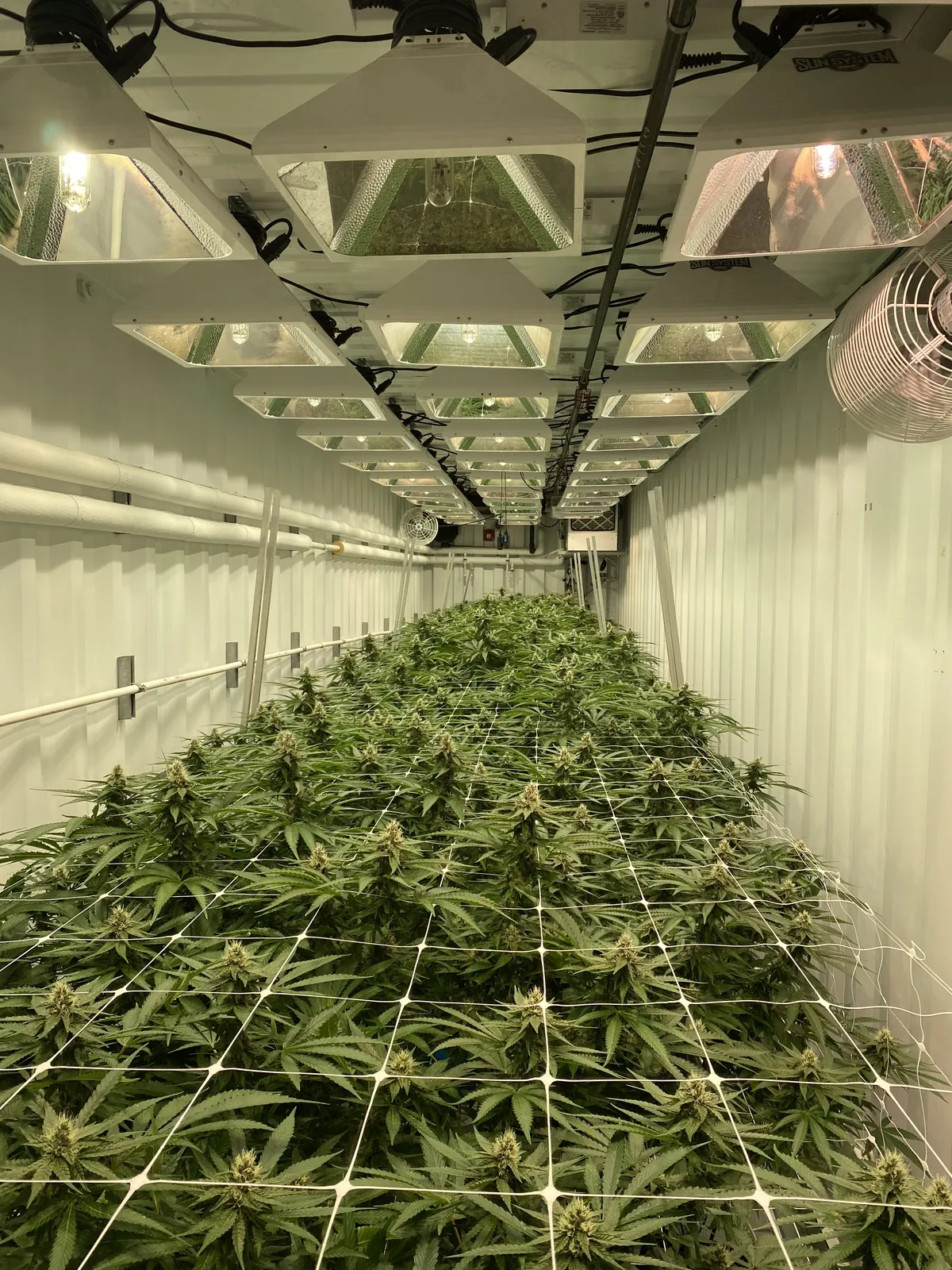
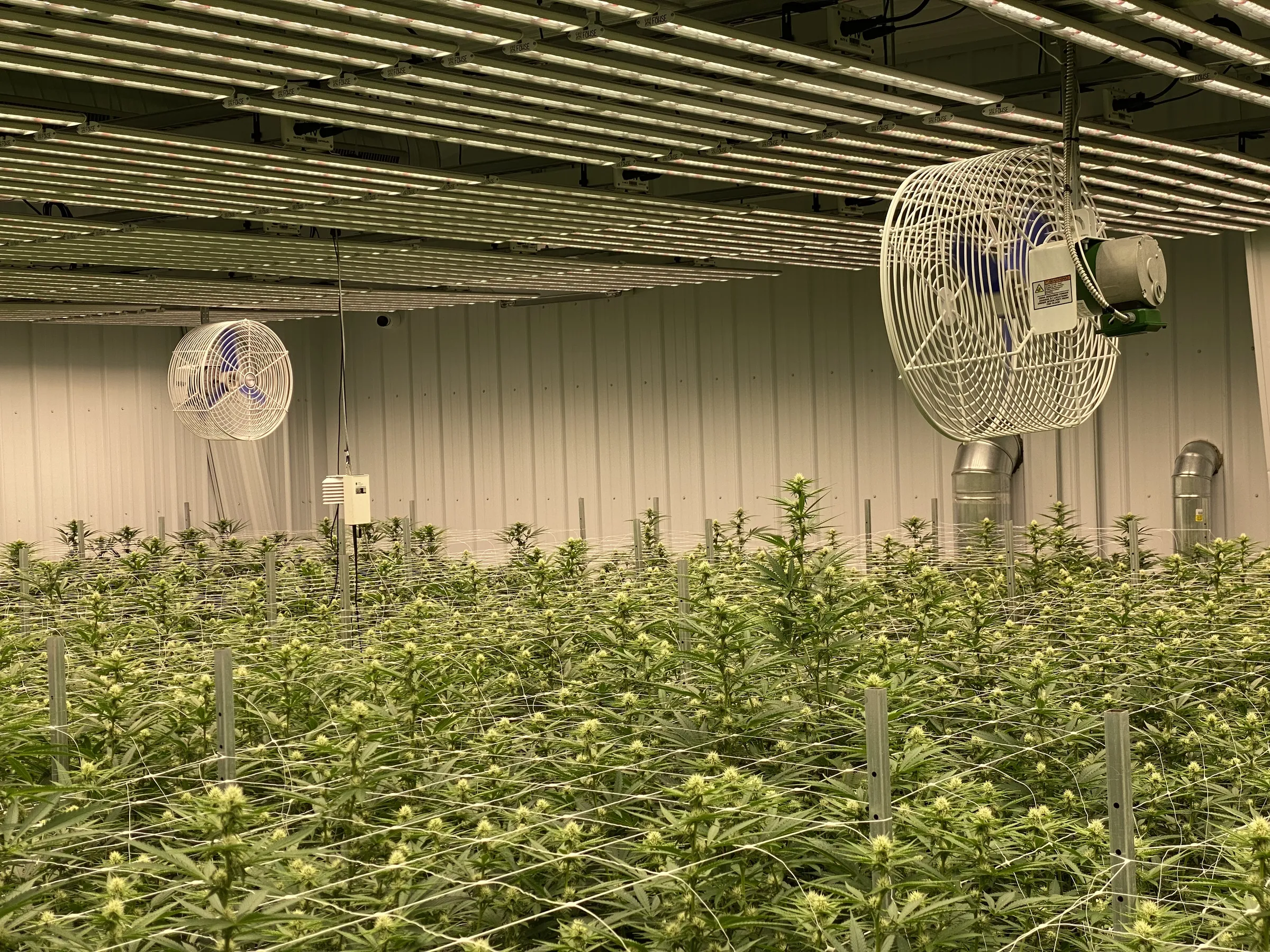
Example: a 30,000 sq ft indoor cultivation building at $150 to $500+ per sq ft runs $4.5 million to $15 million or more. Hold canopy at 20,000 sq ft (Tier 3) and the indoor license fee is $5,000 a year; one more square foot means Tier 4 at $20,000. Design takes 30 to 60 days and the build 3 to 6 months after permits.
Power: Massachusetts' average commercial electricity price was 23.10 cents per kWh in 2025, up from 20.90 in 2024, against 13.37 cents nationally, per EIA Electric Power Annual, Table 2.10. Cold winters and humid summers load heating and dehumidification, so compare grow room and industrial dehumidifiers on pints per kWh. Siting: settle the host community agreement and local zoning bylaw before you sign a lease.
Massachusetts specifics
Testing. Testing Laboratories hold their own CCC license and test against the adult use rules, 935 CMR 500.000. Build microbial prevention into airflow and drying.
Tracking. Massachusetts runs on Metrc. The CCC lists Metrc program fees and tags as costs beyond the license fee.
Packaging and edibles. Edibles have their own rule, 935 CMR 500.150. Size the kitchen and dosing line to its limits before ordering equipment.
| Topic | Massachusetts rule | Design response |
|---|---|---|
| Canopy tiers | Indoor license fee jumps from $5,000 at Tier 3 (10,001 to 20,000 sq ft) to $20,000 at Tier 4 (935 CMR 500.005) | Fill the tier you priced with NextGen benching and Thrive Agritech LEDs, per our grow room layout guide |
| Electricity | Commercial power 23.10 cents per kWh in 2025, 73% above the U.S. average (EIA) | Anden dehumidifiers with HVAC sized by room |
| Tracking | Metrc program fees and tags on top of license fees (CCC fee schedule) | Tag station on the packaging line beside NTEP checkweighing |
| Edibles | Edible products governed by 935 CMR 500.150 | Kitchen and dosing line built around Coldelite equipment and our edibles equipment guide |
What the same work did for an operator like you
What a Massachusetts applicant gets from the design desk.
- A Massachusetts cannabis compliance review of tier, fee waivers, host community agreement and Metrc setup before you file
- Cannabis facility design for retailers building toward six stores and cultivators drawing canopy to a tier line
- A cannabis facility design package in 30 to 60 days with a kWh per pound model at 23.10 cents per kWh
- Heating and dehumidification for Massachusetts seasons from our cannabis HVAC design guide
Massachusetts questions
How do I open a dispensary in Massachusetts?
Apply to the CCC for a Retailer license, $1,500 to apply and $10,000 a year, and sign a host community agreement with the city or town. Since April 19, 2026 one owner may hold six retail licenses. Budget background checks, fingerprinting and Metrc tags on top.
How much does a CCC license cost?
Application fees run from $0 for a Microbusiness to $3,500 for a Medical Marijuana Treatment Center. Annual license fees reach $50,000 for a treatment center or Tier 11 indoor cultivator; a Tier 1 outdoor cultivator pays $625. Retailers pay $1,500 and $10,000. No fee is refundable.
What are the Massachusetts cannabis cultivation tiers?
There are 11 canopy tiers: Tier 1 up to 5,000 sq ft, Tier 2 to 10,000, Tier 3 to 20,000, then steps of 10,000 sq ft to Tier 11 at 100,000. Indoor license fees climb from $1,250 at Tier 1 to $20,000 at Tier 4 and $50,000 at Tier 11; outdoor is half. We plan cultivation to the tier you priced.
How many dispensaries can one company own in Massachusetts?
Six, since the reform law signed April 19, 2026; the old cap was three retail licenses per owner. The same law cut the CCC to three commissioners appointed by the Governor and authorized social consumption, event and research licenses. Compare New York licensing and facility rules.
What does a cannabis facility cost to build in Massachusetts?
Indoor builds run $150 to $500+ per sq ft, so a 30,000 sq ft building costs $4.5 million to $15 million or more. Design takes 30 to 60 days and the build 3 to 6 months after permits. At 23.10 cents per kWh (EIA, 2025), we size room loads in the facility design package.
Where the Massachusetts rules on this page come from
- Mass.gov: Governor Healey Signs Cannabis Reform Legislation, April 19, 2026, commission restructuring, six retail licenses per owner, medical integration, new license categories
- Cannabis Control Commission: License Fees, fees by license type and tier, waivers, Metrc and background check costs
- 935 CMR 500.005, Fees, cultivator canopy tiers and fee schedule, effective dates
- 935 CMR 500.150, Edibles, edible products rule
- Secretary of the Commonwealth: Notice of public hearing on 935 CMR 500.000 and 501.000, Aug. 15, 2023, host community agreement and community impact fee limits
- CCC: New resources for Community Impact Fees and Host Community Agreements, January 2025, HCA and CIF guidance
- EIA Electric Power Annual, Table 2.10 (2025), average commercial electricity price by state
Regulator: Massachusetts Cannabis Control Commission. Last reviewed November 7, 2026.
 Record last reviewed