Pennsylvania cannabis licensing, facility design and equipment.
A Pennsylvania cannabis license today is a medical marijuana permit from the Department of Health: grower/processor, dispensary or clinical registrant. No adult use law has passed as of Nov. 7, 2026 and no permit window is open. Two adult use bills stalled in 2025 and 2026, so the 2027 session decides what comes next.
Medical only as of Nov. 7, 2026; no permit window open; Act 63 add-on phases closed fall 2025
Syncing and validating with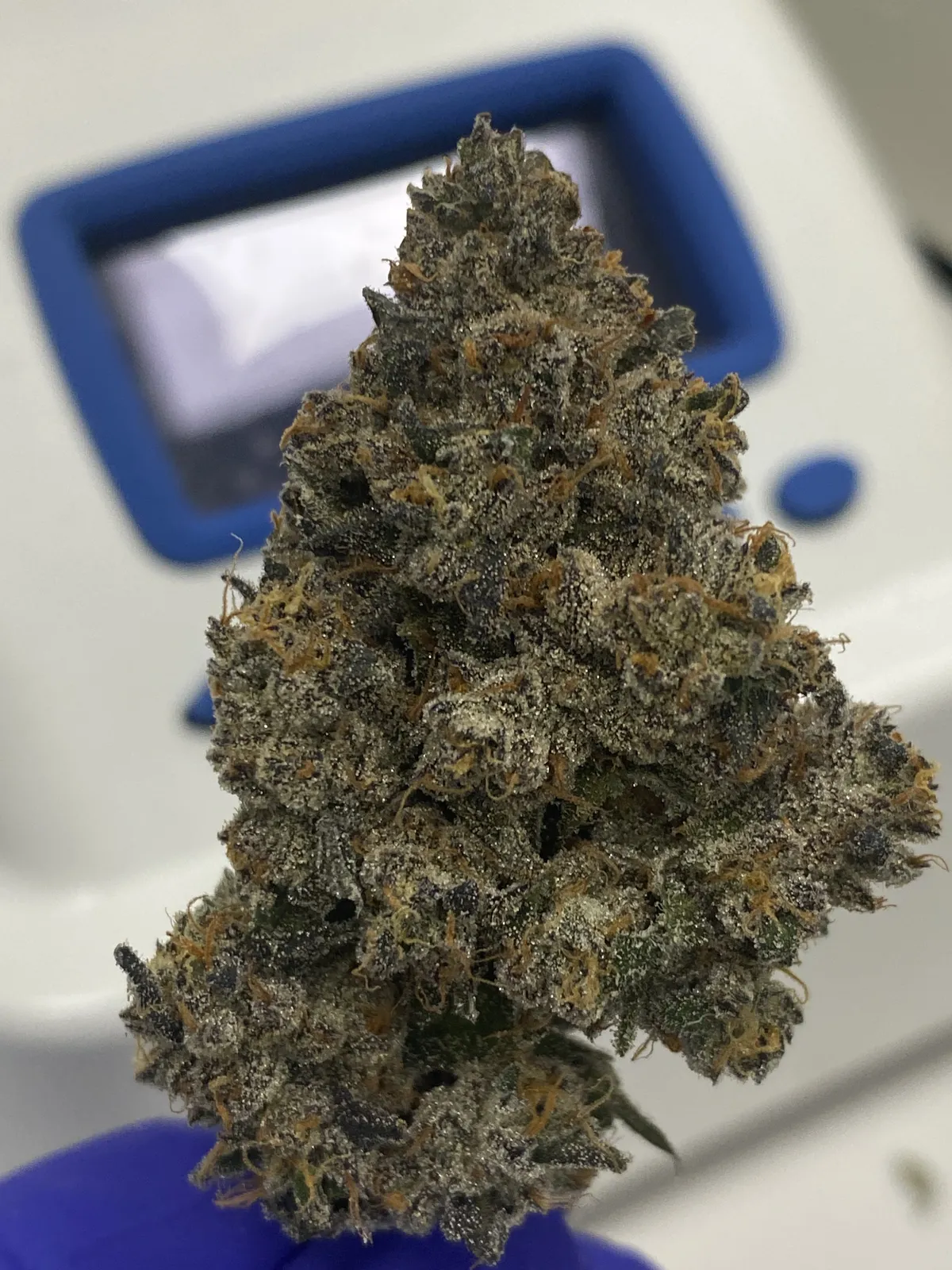
Where Pennsylvania is today
Pennsylvania is a medical-only program under the Medical Marijuana Act of 2016, run by the Pennsylvania Department of Health, Bureau of Medical Marijuana. The statute caps grower/processor permits at 25 and dispensary permits at 50, plus up to 10 clinical registrants; no application round is open as of Nov. 7, 2026, and the Act 63 add-on phases closed in fall 2025.
Adult use is a 2027 question. HB 1200 passed the House May 7, 2025 and died in a Senate committee; SB 120 (Laughlin and Street) proposes a private licensed market. No adult use bill has passed; the 2027 session is the next chance. Until one does, the way in is buying into a permittee or building for one; compare cannabis licensing in every state.
- April 17, 2016. Act 16, the Medical Marijuana Act, is signed.
- June 20, 2017. Phase I awards 12 grower/processor permits and, on June 29, 27 dispensary permits. Dispensing begins Feb. 15, 2018.
- July 31, 2018. Phase II awards 13 grower/processor permits and, on Dec. 18, 23 dispensary permits.
- March 4, 2023. Final-form regulations (28 Pa. Code Chapters 1141a to 1230a) take effect; a court enjoins the two-lab rule.
- April 12, 2024. Act 63 takes effect: one add-on permit for independent operators, in phases from fall 2024 to fall 2025, all closed.
- May 7, 2025. HB 1200 (state-run adult use stores) passes the House; a Senate committee defeats it May 13. SB 120 follows July 10, 2025.
- Dec. 2, 2026. Next Medical Marijuana Advisory Board meeting.
How to get a Pennsylvania cannabis license
- Confirm there is no open window. The Department's permit pages list requirements only; the Act 63 phases closed in fall 2025. Watch the announcements page and the Dec. 2, 2026 board meeting.
- Decide your route. Buy into a permittee (Act 63 change of control rules apply), build for one, or position for a 2027 adult use bill.
- Size the capital. A grower/processor proves $2 million with $500,000 on deposit and pays $210,000 in fees; a dispensary needs $150,000 on deposit, a $5,000 application fee and $30,000 per location. Compare cannabis business financing options early.
- Lock the site and zoning letter. The application requires evidence of municipal zoning compliance. Dispensaries sit 1,000 feet from a school or day care; Philadelphia adds 500 foot buffers.
- Write the plan of operation. Rule 1151a.22 covers security, growing, processing, solvent handling, sanitation and recalls. Start from the cannabis cultivation business plan.
- Design for the inspection. Nothing grows until the facility is inspected and deemed operational (Rule 1151a.23); security is checked against Rule 1151a.26.
- Pick your starting point. Dispensary plans: price an acquisition or Act 63 add-on with cannabis financial modeling. Cultivation and processing plans: start new license facility planning so rooms meet Chapter 1151a.
What the state issues, and what each one needs built
- Grower/processor permit. One indoor, enclosed, secure facility. Capped at 25 plus up to 10 clinical registrant permits; 33 grower/processors operating in March 2024, 8 of them clinical registrants. $10,000 application fee, $200,000 permit fee (one-year term), $10,000 renewal, proof of $2 million in capital with $500,000 on deposit.
- Dispensary permit. Up to 3 locations per permit, capped at 50 permits; 180 sites operating in March 2024. $5,000 application fee, $30,000 per location, $5,000 renewal, $150,000 on deposit. No shared site with a grow or processor.
- Clinical registrant (Chapter 20). A grower/processor plus up to 6 dispensary locations, paired with an academic research center. Up to 10; 8 held in 2024. $15 million minimum capital.
- Act 63 add-on permits. One dispensary permit for an independent grower/processor, or one grower/processor permit for an independent dispensary, at the base fees. Phases closed fall 2025.
- Approved laboratory. 6 approved lab locations listed as of Nov. 2026.
What a Pennsylvania facility costs to design and build.
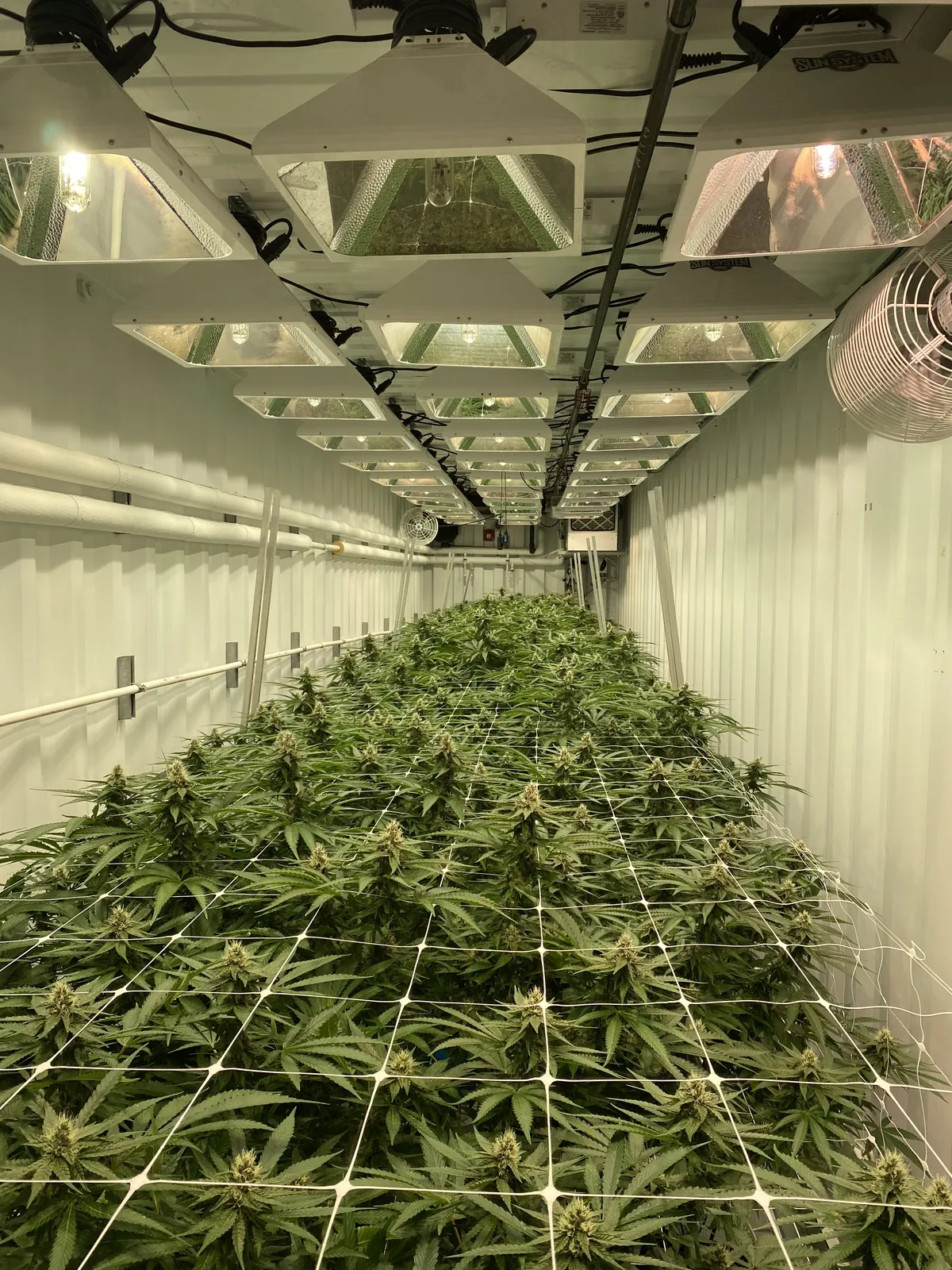
A grower/processor permit covers one site, so program size follows the business plan. Example: a 40,000 sq ft cultivation and processing building at $150 to $500+ per sq ft runs $6 million to $20 million or more, before $210,000 in fees and the $2 million capital test. Design takes 30 to 60 days and the build 3 to 6 months after permits; the Department inspects before plants go in, so schedule backward from it.
Power: Pennsylvania's average commercial electricity price was 12.42 cents per kWh in 2025, below the 13.37 cent U.S. average, per EIA Electric Power Annual, Table 2.10, up from 11.03 cents in 2024. Humid summers and cold winters split dehumidification and heating loads by season, and Rule 1151a.27 requires humidity to be monitored, recorded and regulated, which favors Anden dehumidifiers sized per room. Cannabis cultivation consulting ties kWh per pound to that list.
Siting: state law keeps dispensaries 1,000 feet from a school or day care property line and off any site shared with cultivation or processing. Philadelphia adds 500 feet from schools, child care, parks, playgrounds, pools, recreation centers and libraries, bars dispensaries on several City Avenue corridors, and requires notice to Registered Community Organizations before a zoning permit. Grower/processors are an industrial use there; confirm the district before you sign a lease.
Pennsylvania specifics
Testing. An approved lab tests every harvest batch before processing and every process lot before sale (Rule 1171a.29) for pesticides, solvents, water activity, potency, microbials, terpenes, heavy metals and mycotoxins. The clause requiring a different lab for the process lot, 1171a.29(c)(2), has been enjoined since March 4, 2023; the stay held after an April 28, 2026 court order.
Odor. Chapter 1151a has no odor section. Rule 1151a.27 requires a system that monitors, records and regulates temperature, humidity, ventilation, lighting and water; the municipality sets any odor standard, so plan carbon filtration and negative pressure in flower and processing rooms.
Security. Rule 1151a.26: cameras on every limited access area, entrance, storage room and 20 feet past the perimeter, monitored 24 hours a day; 180 day retention; 48 hours of backup power. A 2026 technical advisory interprets the continuous monitoring clause, 1151a.26(b)(5).
Tracking. Rule 1151a.39 requires the Department's prescribed seed-to-sale system with a secure API into ERP, inventory and point-of-sale software; a new API request form took effect June 9, 2026.
Packaging and edibles. Permitted forms are pills, oils, topicals, tinctures, liquids and forms for vaporization including dry leaf (Section 303 of the Act; Rule 1151a.28); edibles are not listed. Packaging is child-resistant, tamper-evident, resealable and opaque except dry leaf (Rule 1151a.34), with no per-package THC cap; every product and label needs prior written Department approval.
| Topic | Pennsylvania rule | Design response |
|---|---|---|
| Facility | Indoor, enclosed, secure facility, inspected and deemed operational before plants enter (Rule 1151a.23) | Room program and MEP set planned room by room to the inspection checklist |
| Environment | Monitor, record and regulate temperature, humidity, ventilation, lighting and water (Rule 1151a.27) | Sealed rooms with HVAC sized by room: Urban Farms HVAC units and Quest dehumidifiers sourced on request |
| Extraction | Plan of operation covers solvent and gas handling (Rule 1151a.22); every product needs prior written approval (Rule 1151a.28) | Hazardous-location room per C1D1 requirements; used Precision Extraction systems listed through Urth & Fyre |
| Testing | Harvest batch and process lot tested by an approved lab (Rule 1171a.29) | Microbial prevention in airflow and sanitation; in-house screening with Shimadzu instruments |
| Security | 24 hour monitored video, 180 day retention, 48 hour backup power (Rule 1151a.26) | Camera schedule, server room and generator load in the design package |
| Forms and packaging | No edibles; child-resistant, opaque, Department-approved packaging and labels (Rules 1151a.28 and 1151a.34) | Fill line with NTEP checkweighing and Paxiom packaging equipment |
What the same work did for an operator like you
What a Pennsylvania applicant gets from the design desk.
- A Pennsylvania cannabis compliance review of your plan of operation against Chapters 1151a and 1171a before inspection
- Cannabis facility design for a grower/processor site: flower, dry, processing, vault, secure loading and surveillance rooms
- A cannabis facility design package in 30 to 60 days: camera schedule, 48 hour backup power and environmental logging per Rules 1151a.26 and 1151a.27
- Extraction rooms specified from our cannabis extraction equipment guide and written into the Rule 1151a.22 solvent handling plan
Pennsylvania questions
How do I get a Pennsylvania cannabis license?
The only licenses are medical marijuana permits from the Department of Health, and no application window is open as of Nov. 7, 2026. Permits are capped at 25 grower/processors and 50 dispensaries; the Act 63 phases closed in fall 2025. Routes: buy into a permittee or prepare for a 2027 bill.
How do I open a dispensary in Pennsylvania?
You need a dispensary permit: $5,000 to apply, $30,000 per location, $150,000 on deposit, up to 3 locations. All 50 were awarded in 2017 and 2018, so the path is acquiring a permittee or an Act 63 add-on, sited 1,000 feet from schools and day cares. For an open market next door, see the New Jersey cannabis license hub.
How much is a Pennsylvania grower processor permit?
$10,000 to apply, $200,000 on award and $10,000 a year to renew, plus proof of $2 million in capital with $500,000 on deposit. The permit covers one facility, so the real number is the build at $150 to $500+ per sq ft.
Is adult use cannabis legal in Pennsylvania in 2026?
No. HB 1200 passed the House May 7, 2025 and a Senate committee blocked it May 13; SB 120 had no hearing. The 2027 session is the next chance for a bill, so plan the medical permit path and watch the legislature.
Does Pennsylvania allow cannabis edibles?
No. Section 303 of the Act and Rule 1151a.28 list pills, oils, topicals, tinctures, liquids and forms for vaporization, including dry leaf since May 17, 2018. The Department has posted guidance on orally dissolving formulations; read it before you plan an edibles line.
Where the Pennsylvania rules on this page come from
- Pennsylvania Department of Health: Medical Marijuana Program, program status, Act 16 citation, advisory board and data links
- Department of Health: Growers/Processors, 25 permit cap, fees, $2 million capital, March 17, 2026 and June 9, 2026 notices
- Department of Health: Dispensaries, 50 permit cap, 3 locations, fees, $150,000 capital
- Department of Health: Act 63, add-on permits, effective date, closed phases
- Department of Health: Regulations, 28 Pa. Code chapters, March 4, 2023 final-form rules, 1171a.29 litigation timeline
- Department of Health: Laboratories, approved laboratory list
- Department of Health: Biennial Report 2024, permit counts, operational sites, patient and sales figures
- Department of Health: Biennial Report 2020, Phase I and II award dates, dispensing start, dry leaf date
- 28 Pa. Code Chapter 1151a, Growers/Processors, facility, security, environment, forms, packaging and tracking rules
- House Appropriations fiscal note, HB 1200 (May 7, 2025), state-run store model and license counts
- Philadelphia Code, Chapter 14-600 use regulations, dispensary buffers and notice procedure
- EIA Electric Power Annual, Table 2.10 (2025), average commercial electricity price by state
Regulator: Pennsylvania Department of Health, Bureau of Medical Marijuana. Last reviewed November 7, 2026.
 Record last reviewed